Dr Imara Gluning / ST3 Emergency Medicine Trainee / University Hospitals Sussex NHS Trust
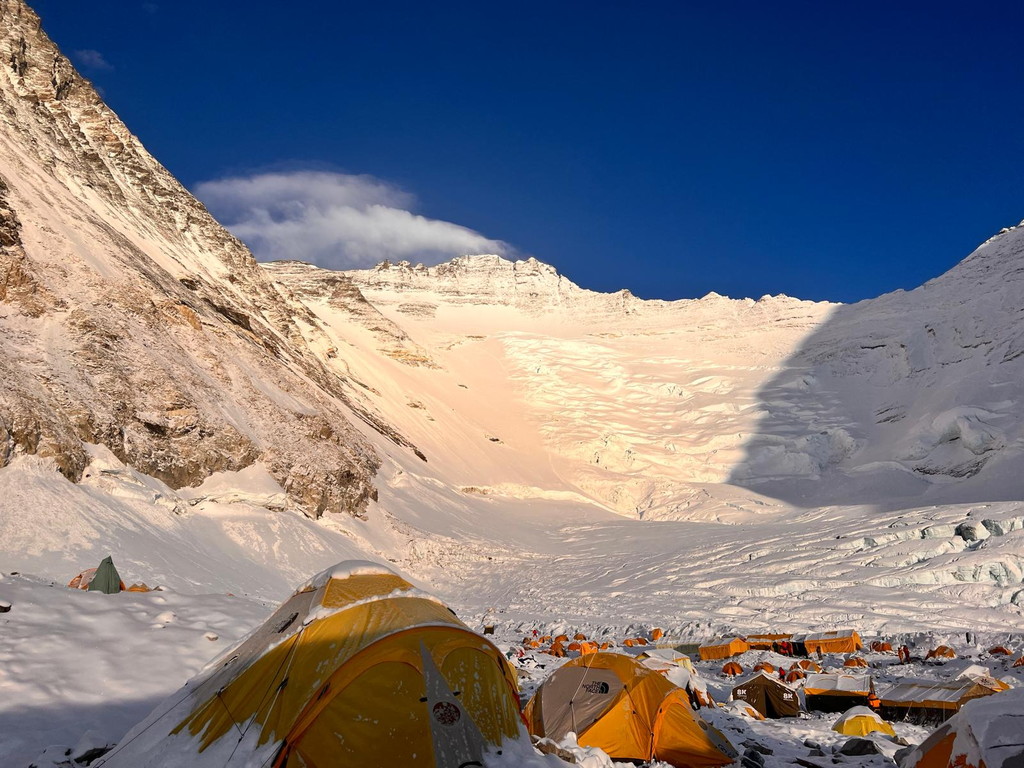
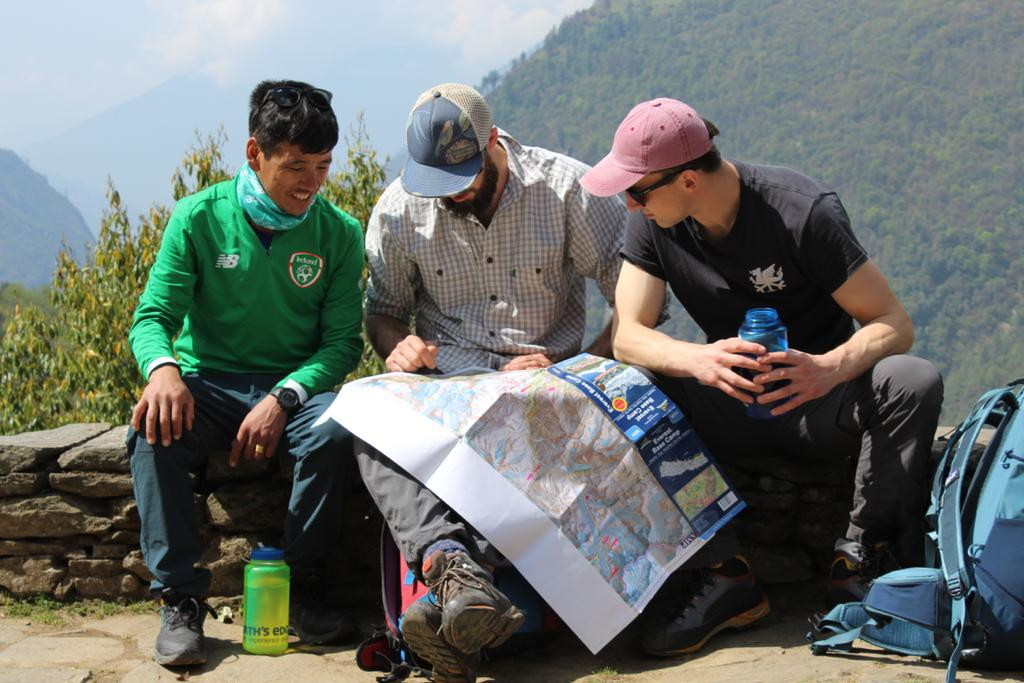
In this interview, Dr Ben Alba explains how the Ubuntu Network came to be, what it is, and how you can get involved. An emergency medicine middle-grade with an interest in high-altitude medicine, Ben formed the Ubuntu Network following a challenging case whilst working at Everest Base Camp. As the medic, he was closely involved in remotely managing a cardiac arrest of a participant for another tour operator, who unfortunately died. After returning home, Ben sought support from the expedition medicine community, but found that practitioners often operated independently without coming together to share experiences or lessons learned. This led to the birth of the Ubuntu Network, a community and collective where cases are shared and discussed amongst like-minded medics, with a focus on the human factors, leadership and decision-making challenges that are uniquely faced in remote medicine. Ubuntu is a southern African word meaning ‘humanity’ or ‘I am because you are’, and the network holds online events regularly throughout the year where a presenter speaks about an experience they’ve had while practising remotely alongside a facilitator who brings in the audience for constructive discussion.
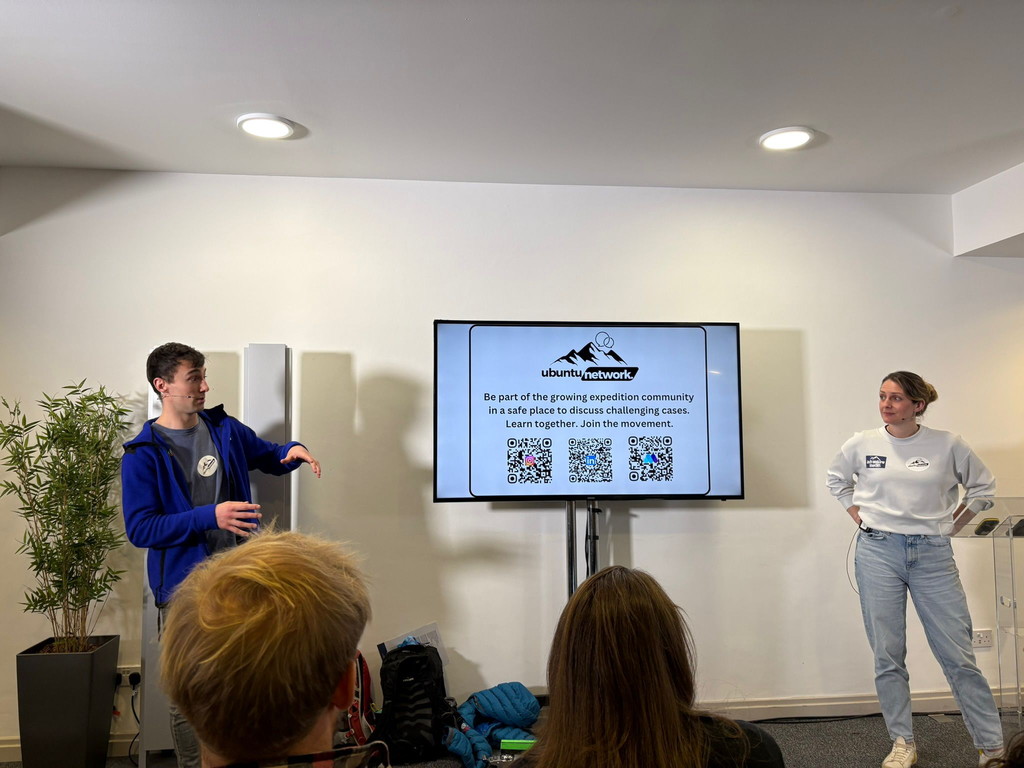
Imara: Thank you, Ben, for taking the time to tell us all about the Ubuntu Network! I’ve been a big supporter from the beginning and feel that the community you’ve created is supportive, informative, and certainly needed in the expedition medicine world. It sounds like the experience you had at Everest Base Camp was particularly challenging, and it’s inspiring to see how that has spurred you to create Ubuntu in the aftermath. It must have been difficult speaking about the case in an open forum. Could you tell us a bit about how Ubuntu works and what people joining an event can expect?
Ben: Thanks, Imara, and as you are a key part of the team at Ubuntu, it wouldn’t be where it is now without your support! And yeah, it is hard to talk about these things, which I guess is part of what makes Ubuntu such a special space. That being said, we aren’t looking for presenters to be in the emotive and emotional stage of dealing with the issue. I think if I’d spoken on the Ubuntu the week after I got back from Everest, I probably would have cried, but the fact that I could take some time to process the experience before presenting was an important step in coming to terms with what had happened to me and getting my own support network going as well. But I agree with you, I think Ubuntu offers a really valuable resource as a place where people can come together and talk about difficult things and feel supported in a non-judgmental space. I think the way we run an event is very involved and discussion-based and not focused on people’s mistakes or decisions, but actually just listening to and engaging in a really interesting perspective from someone who’s had a lived experience.
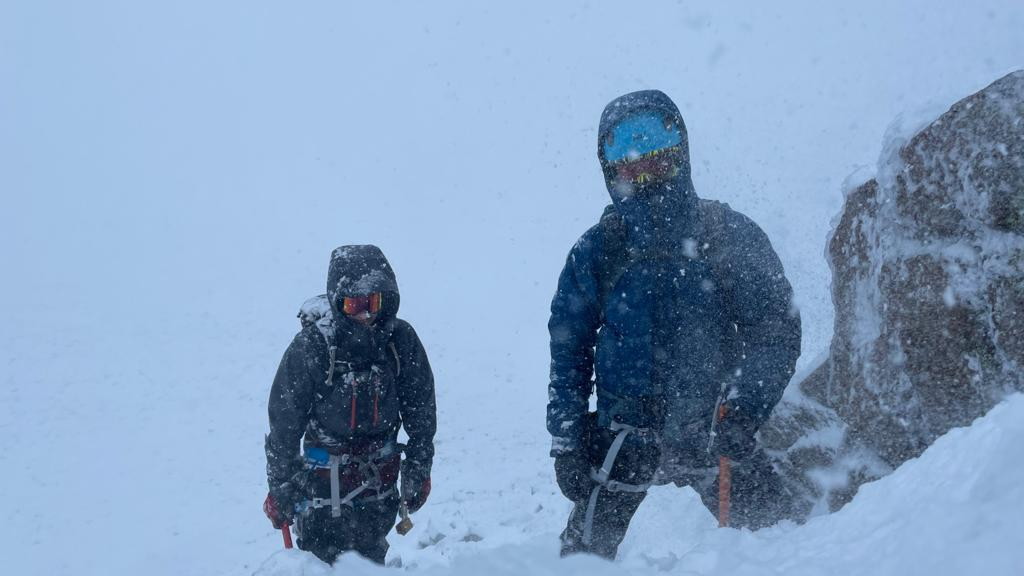
An important part of that is that it’s not necessarily something drastic, you know? It doesn’t have to be a man getting mauled by a bear in the Grand Teton National Park. It can be 15 people who get diarrhoea and vomiting, and that’s the whole expedition over, and trying to deal with that. It’s those real things that we see in expedition medicine, and their unique logistical challenges. I’ve always said that expedition medicine boils down to coughs and colds, diarrhoea and vomiting and some minor trauma. I still stand by that, really, most of the stuff you see is that, and it’s not very exciting. But you’ve got to get through the often boring times or the often easy days to get to those hard bits when someone does have frostbite, and there is a really difficult management decision to make about whether we get them out and how quickly we do it.
These are all equally important to discuss, and I think the more we can talk about them and support people’s decision-making, the more we learn. Because there’s not much research out there really for expedition or wilderness work, a lot of it is derived from in-hospital research, and sometimes it’s very difficult to translate it to the remote setting.
In terms of how the network runs, we currently have a highly active WhatsApp group, where we advertise our events and disseminate other information, as well as advertise through our social media on Instagram. In the background, the Ubuntu team work to get a case presenter and a facilitator prepared. Essentially, on the night, the case presenter presents a case of something that’s been difficult in a remote environment. We’ve had snake bites in the desert, altitude cases, rabies in the Indonesian rainforest, and a case where the medic has become unwell and had to consider their position in the group. Some really varied cases. And again, as I stressed before, this isn’t about medical management and making the right medical decision. A lot of these cases essentially have human factors and logistical challenges at their core, because in reality, these are what you have to manage in remote care. How are you going to maintain their airway? How are you going to move them somewhere else? Are you going to deplete your stock of drugs by treating this one person when you have 30 other people to look after for the next two months? Are you going to use up the resources of the local community? What security risks do you have to consider?
Everyone can read an algorithm on how to manage the stages of septic shock, for example, things like that you can review in your own time, but actually what we’re trying to get at here is the real-time experience from someone who’s been in this place and had this experience and understand what their thought processes were; a virtual simulation so to speak.
The way we initially ran sessions was one person discusses a case and goes through it with a facilitator, asking prompting questions and bringing in a collaborative discussion at the end, and it’s worked really well. At the WEM conference last year, we decided before that we would pause halfway through and open it up to the audience to see where their thoughts were at. So, we’re aiming for a hybrid mix now, depending on the case. The main thing we are trying to get is engagement, and the best way to manage this has been through getting the audience to ask questions about what their thought processes are, as if they were themselves in the situation posed to them. We want it really to be a discussion and not a lecture, and invite people to bring in their own experiences too. There is no right or wrong answer in these situations; these are just discussions and a place for people to connect.
Imara: I think the exciting thing about wilderness and expedition medicine is that it’s the things that people might consider simple, like your diarrhoea and vomiting, that in certain contexts can actually be quite devastating. Depending on the situation, each scenario will play out so differently, and as you say, there are no right or wrong answers when it comes to the management of complex cases in the field. And reiterating that there is so much we can learn from each other.
What kind of direction do you see Ubuntu going, and what would you like it to look like in the future? Have you got any new exciting cases coming up?
Ben: I suppose initially the plan was to simply gather interest, but now we are in a period of moving to WhatsApp as our main hub of activity to increase that sense of community and engagement. We want to focus back on our key model of gathering not only the expedition but humanitarian, wilderness, and rural medical communities, in the UK and beyond.
The WhatsApp group is where event updates are posted with links to the sessions on Teams. Jonny Milton has also come on board to run an interactive journal club through the WhatsApp group to further the general discussion. We have already seen an influx into the group of medics from all backgrounds, from medical students to paramedics to mountain guides, all the way through to consultants and bona fide experts in their field. Having that spectrum really brings people together, and we hope it can become a space where people can get advice, ask for support and just generally network with their peers.
We had our first in-person independent Ubuntu event in Bristol in late February, and with online cases already lined up for April, June, and September, the year is looking full to the brim with great speakers and discussions. We will be at WEM again in November, and it looks like this will be a yearly date for us, which we are delighted about. We are even having people come to us now to ask to share information, be that presenting a case, or, for example, in April, Hannah Lock is doing a frostbite update through Ubuntu, which again is a testament to the ripples we are making through the community.
So you know, we’re slowly growing, and I think hopefully in the coming year we will see a kind of explosion through different methods of reaching out to people. You can’t force engagement, but we can make it easier for people to get involved, and so fingers crossed our move into WhatsApp will encourage that.
Imara: Amazing, it sounds like the future is very bright for Ubuntu, there’s a lot going on and different ways that people can engage and get involved, be it on your WhatsApp group, Instagram, conferences or events. It’s a really exciting time! Thanks, Ben, for taking the time to chat about Ubuntu and what you’ve created, and it’s certainly a space to watch…
Access the Ubuntu Network WhatsApp here
Access the Ubuntu Network Instagram here