Dr Rob Daniels / General Practitioner and Program co-lead / University of Exeter, UK
Dr Rob Daniels is the program co-lead for the MSc, with experience in tropical medicine, charity treks and international development projects. In this article, he explores some of the considerations and opportunities on offer when undertaking the MSc and presents the opinions of some of the students that have recently completed the course.
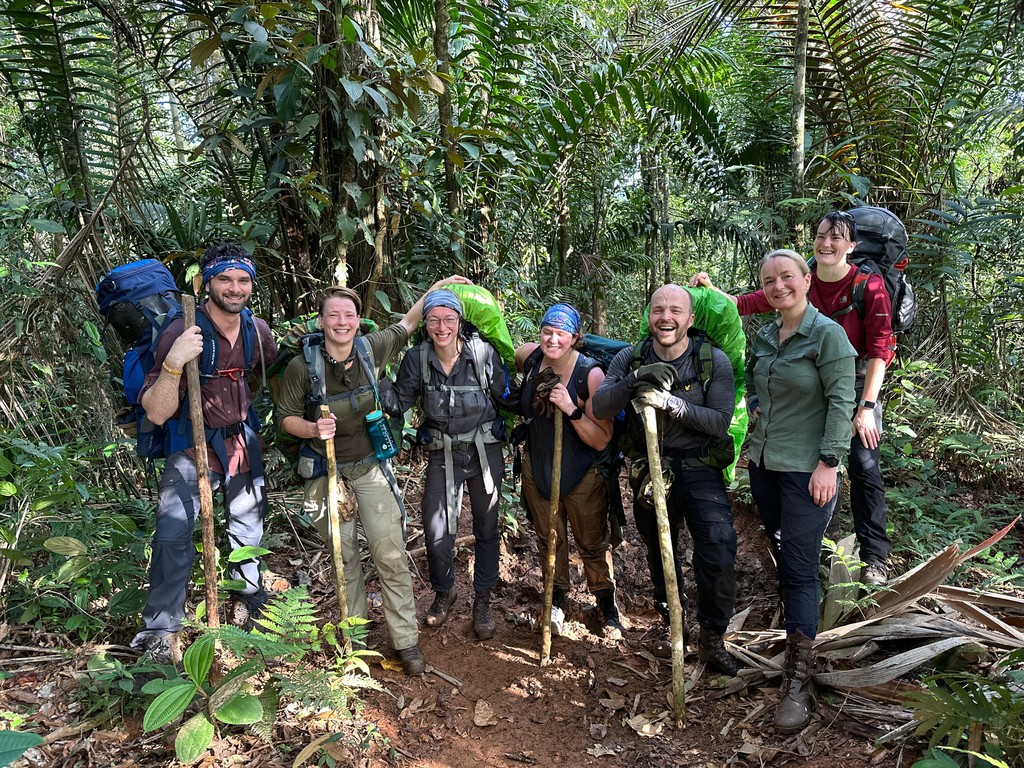
The MSc in Extreme Medicine is a program developed and delivered since 2016 by the University of Exeter and World Extreme Medicine offering opportunities to combine expedition medicine training with a masters degree. The modular structure includes Post Graduate Certificate, Post Graduate Diploma or Master of Science options over 1-3 years. The course is taught by a diverse faculty with experience in expedition and humanitarian medicine, sports science and research. This course is designed to teach not just medical skills but the ability to live, work and travel safely in austere environments.
Who is the course for?
The course has been designed to be suitable for anyone with a bachelor’s degree (or equivalent level 6 qualification) and wilderness experience. Most (but not all) of the students are doctors, intercalating medical students, nurses, paramedics, physiotherapists, or PAs. A healthcare background is not essential, but evidence of relevant training and field experience is required if you are not a registered health professional.
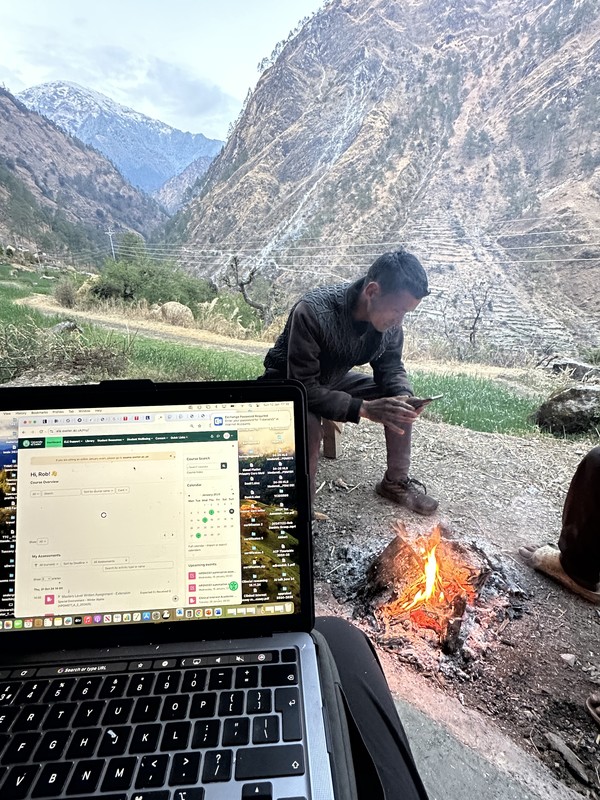
The distance learning model combines self-directed online learning that fits around work and family commitments, and intensive residentials with a focus on practical skills taught in wilderness settings. These residentials last a few days to 3 weeks, taking place in Europe, Africa, Asia, the Arabian Gulf and the Americas. Studying over 1, 2 or 3 years, most students attend residentials in their annual or study leave and online learning can be completed anywhere with an internet signal and an iPad.
Course Structure
The course has 3 phases, which can be taken sequentially over 2-3 years or concurrently over 1 year. Each module includes self-directed online learning and residentials, usually with around 200 hours self-directed and 100 hours on residentials. Online learning includes pre-recorded lectures, reading and assessments.
Phase 1: PGCert
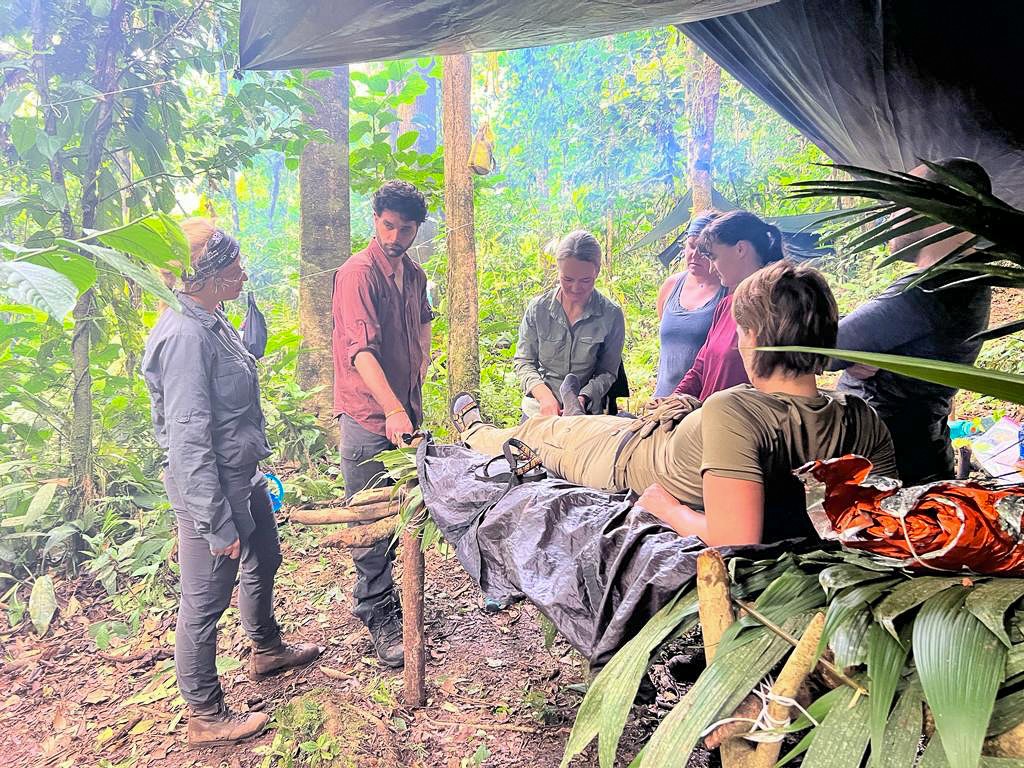
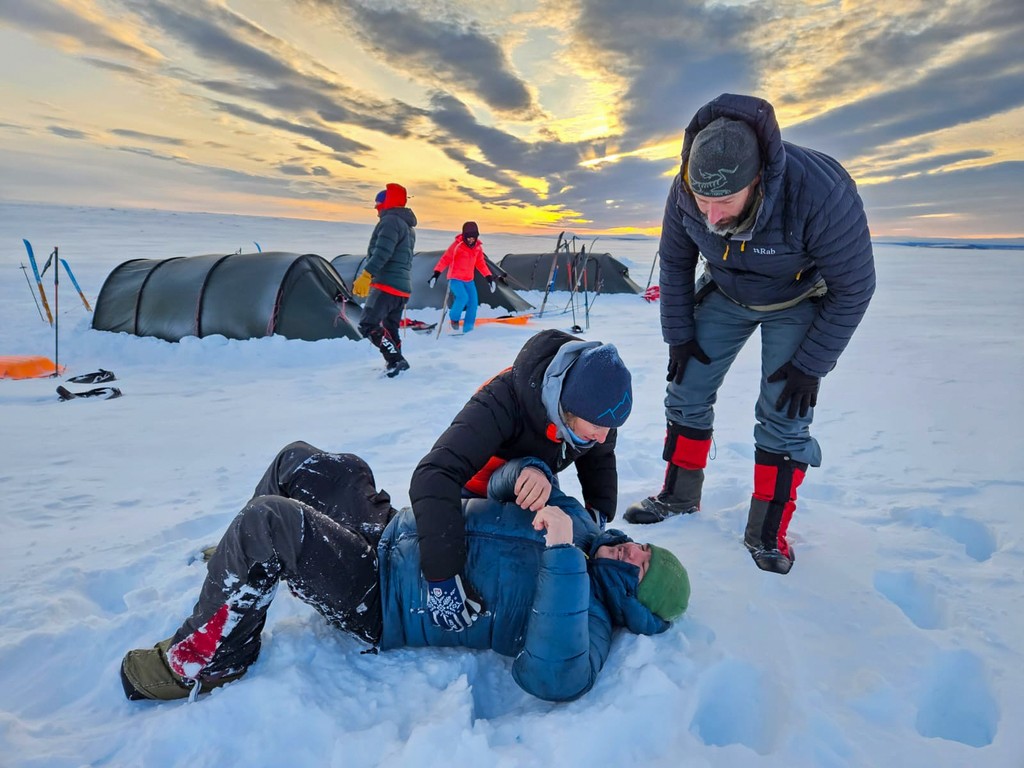
This phase comprises 2 compulsory modules – Core Concepts in Expedition Medicine and Extreme Physiology. Extreme Physiology focuses on the physiological adaptations of the human body to extreme environments. There are 4 residentials, 2 optional and 2 which are compulsory. The compulsory residentials take place in the UK in October and March/April, covering core concepts of expedition medicine and human factors. There are 11 optional residentials to choose from, ranging from desert medicine in Oman, to Polar Medicine in northern Norway. Assessments are a combination of academic writing and practical assessments in expedition management and leadership. There are no clinical assessments.
Phase 2: PGDip
Having completed phase 1, phase 2 combines a compulsory Evidence-based Wilderness Medicine (EBM) module, with a choice of either Humanitarian and Disaster Relief Medicine or Clinical Practice in Austere Environments. The EBM module develops skills in appraisal and application of evidence required to plan and deliver effective care in challenging environments, laying the foundation for the dissertation in phase 3. Phase 2 includes the opportunity to take part in 2 residential courses chosen from a list of 13 from Search and Rescue Medicine to Hostile Environment Medicine. Assessments in phase 2 are a combination of academic writing and simulation and planning exercises which are submitted at the end of the module.
Phase 3: MSc
To qualify for the MSc, students who have completed Phase 2 undertake a research project culminating in a 5000-word dissertation on a subject of their choice. During this phase students have access to a combination of experienced researchers and experts within their chosen field of extreme medicine, supporting students to plan and undertake their own research projects. Students are encouraged to undertake primary research where possible and many present their work at conferences or pursue publication.
Student experience: Dr Sam Pattison (Qualified GP)
“After failing to get into specialty training for the second year running, I wanted to do something different to stand out, when I stumbled across the MSc in Extreme Medicine. What I wasn’t expecting was for it to completely change my career pathway.
At medical school, I thought I wasn’t academically minded. This course made me realise this isn’t the case, it was just the topics I was studying. I have developed strong critical appraisal skills through writing papers and my dissertation. These skills have been reflected back into my clinical practice, and I feel a better doctor as a result.
The course is flexible and can be taken over 1-3 years. This worked perfectly for me as I was able to work in between modules and assignments, even having the ability to extend from 2 to 3 years when life at home was busy.
Since graduating, I have been working as an expedition doctor and will be teaching on some of the courses I have previously been a student on. I’ve now developed the skills to set up my own business and social media channel, XpedMed, where I get to talk about all things extreme medicine and provide event and expedition cover to prospective clients.
The best thing about the course is the people you meet – It’s the most enthusiastic and supportive group of people I have ever worked with, and I am delighted to continue doing so.”
Student experience: Pharyn Ashton (Intercalating medical student)
“When I first discovered the MSc Extreme Medicine at the University of Exeter, it stood out as something that aligned perfectly with my interests. I decided to take a year out of medical school to intercalate on the MSc, giving me the opportunity to explore an area of medicine that isn’t typically covered in the undergraduate curriculum.
Before starting the MSc, I was worried about whether I’d be able to keep up. Coming from medical school, I wasn’t sure if I would have the same depth of experience as some of the more senior clinicians. But it has been the complete opposite. Everyone is so willing to explain concepts, share their knowledge, and support each other, and I quickly realised that I had things to contribute too. The MSc has also given me the chance to grow academically. The cohorts are small, and the teaching feels far more personalised than the undergraduate medical degree. In medical school, I found myself struggling with the structure of essays and developing strong research skills, but the master’s has offered consistent 1:1 support in my dissertation and small, discussion-based teaching groups for other modules.
Ultimately, choosing to step away from medical school for a year to pursue the MSc in Extreme Medicine has been one of the best decisions I’ve made, both academically and personally. Whether I end up working in extreme or expedition medicine, or take a completely different path, the skills and experiences I’ve gained this year will stay with me and help shape the clinician I become.”
Summary
Pros:
- Flexible course structure with no need to relocate within or to the UK and designed to fit in around work and family.
- Extensive choice of residential courses, taught by highly experienced faculty and open to anyone with a BSc or BA.
- Ideal for intercalating medical students.
Cons:
- Expensive compared to other courses
- Some additional charges depending on residentials choices
Entry requirements:
- Normally a 2:2 Honours degree (or equivalent level 6 qualification) in a relevant discipline (medicine, nursing, paramedic science).
- Individuals who don’t meet these criteria but have relevant professional experience may also be welcomed on to this MSc programme.
- Suitable for some intercalating medical students – see website for full details
- International students – we strongly encourage applications from international students. See website for information on qualification equivalency, English language and visa considerations.
Admissions process:
- 20-40 students enrol annually across the PGCert, PGDip and MSc programs, over 1 to 3 years.
- The most recent cohort had students aged 21 to 60, from USA, Canada, Australia, UK, Belgium, Netherlands, Germany, Portugal, France and Switzerland.
- Competitive, but no upper limit on student numbers.
- The program starts in October each year with the Core Concepts residential in mid-October, and runs until September, with assessments submissions spread over that period. The deadline for applications is usually mid-August but early application is encouraged.
Cost:
- The price varies slightly year by year. The 2027 prices are:
- MSc £29,200 full-time, £14,600pa part-time 2 years, £12,800 (year 1 and 2), £3,600 (year 3) part-time 3 years
- PgDip £10,100pa part time 2 years
- PgCert £10,100
- Included = teaching, residential accommodation/food, and assessments.
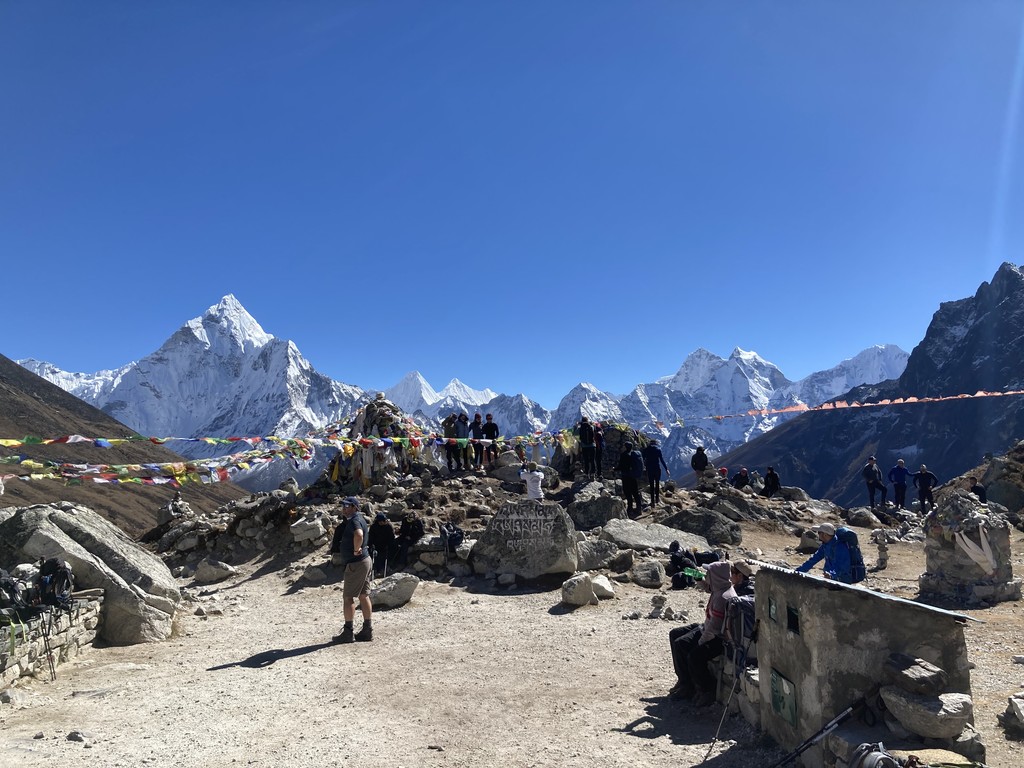
- Excluded = travel to residential venues, kit, special environment optional residential courses ranging from £25 for humanitarian medicine to £2095 for mountain medicine in Nepal (may vary year to year). For full details of costs and recommended kit see the website.
- Discounts for recent completers of World Extreme Medicine courses, or the Academy of Extreme Environmental Medicine Life Support Course.
- The price is the same for UK and international students. UK students are eligible for student loans and students are able to work alongside study.
If you want to find out more, contact World Extreme Medicine here or University of Exeter here.
Information for potential students in Australasia here.
The program leads and WEM staff are always happy to speak to students 1:1.