Dr Jonathan Messing / Consultant, Aeromedical Transfer and Critical Care / University Hospitals Birmingham
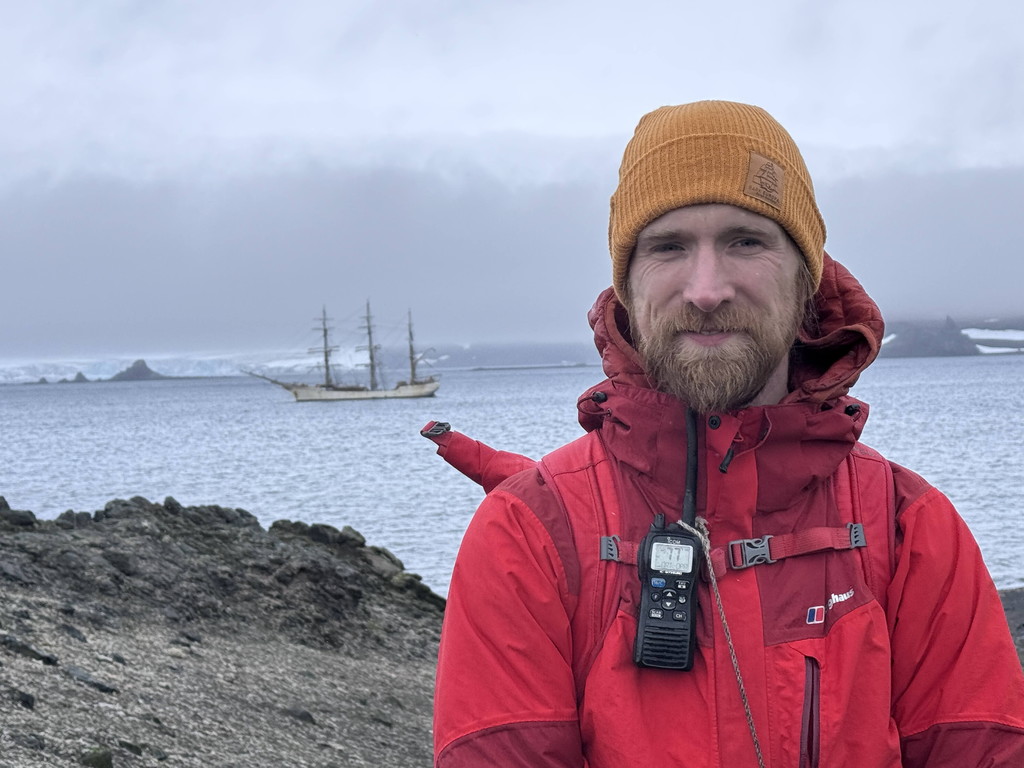
Jonathan is an Aeromedical Transfer and Critical Care Consultant at University Hospitals Birmingham, UK. He completed his undergraduate degree in the UK and postgraduate training in New Zealand. He has worked as the doctor on a dozen expeditions across six continents, avoiding North America for a growing number of reasons. He has the International Diploma in Mountain Medicine. The most common question he is asked is “Why Birmingham?” Other questions can be asked if you find him on Instagram @jonadventuremedic
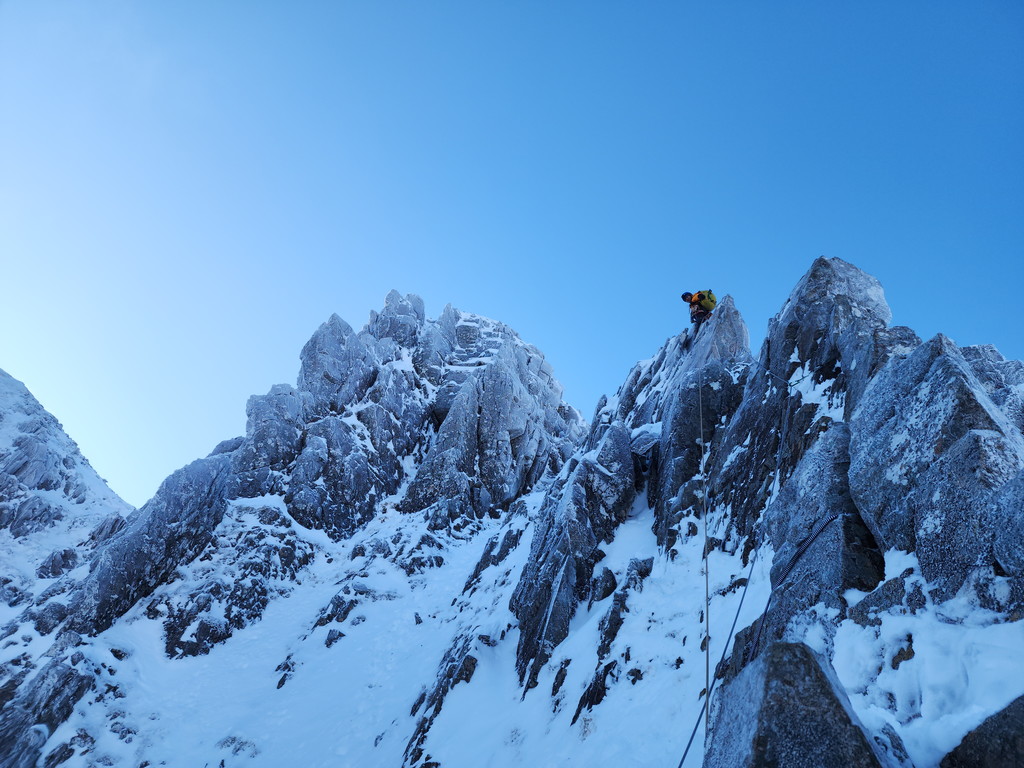
Continuous dynamic risk assessment and management
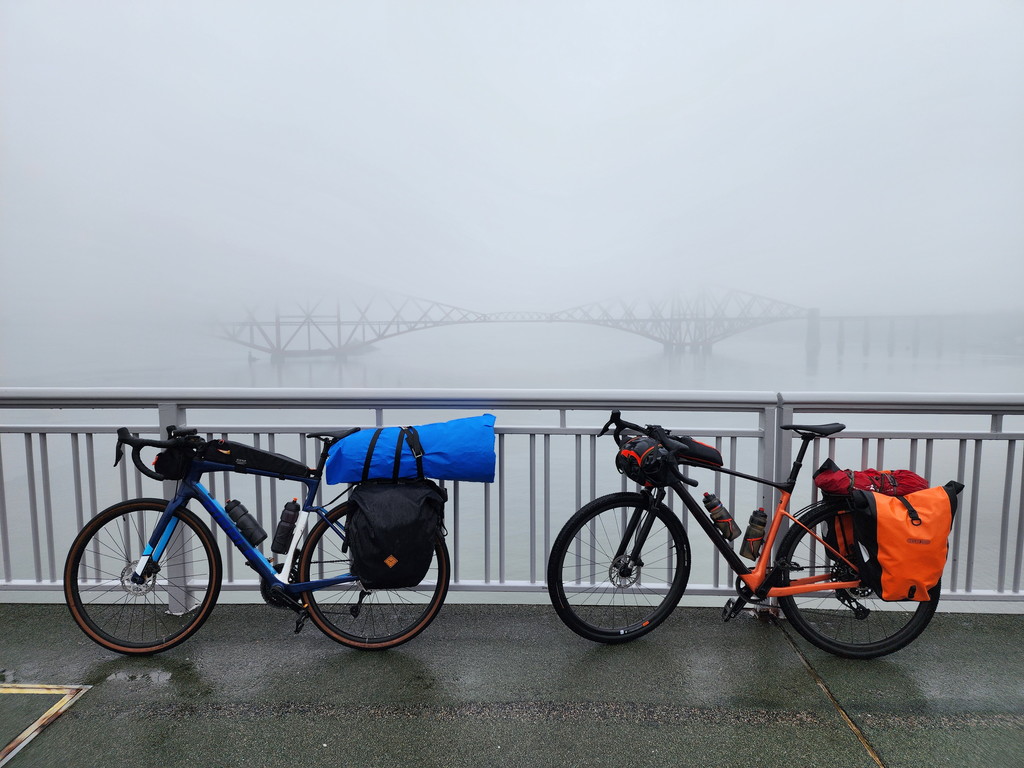
Rolling around some cross-country trails on touring bicycles, I heard “ROCK!” up ahead, before a hollow thud. I approached, and found the rider had hit that very rock he was warning about, careened off the track and embraced a tree. This is an example of (admittedly poor) dynamic risk assessment and management.
Risk is inherent in everything we do in adventure medicine and is the main rationale for our employment. If there is no risk, it is hard to justify the cost of an expedition medic. Our job is to work with the expedition leader to assess and minimise the risks associated with the expedition, and to be prepared for their eventuality. Knowing the risks informs the packing of a medical kit and the establishment of escalation and evacuation plans.
I went to help the unfortunate cyclist, now half covered in foliage and half covered in bicycle, with a very bruised bottom and a tender anatomical snuffbox. Fortunately, I had anticipated the possibility of trauma on a cycle tour in pre-departure planning and carried some splints and bandages. I had also acknowledged the ready availability of NHS hospitals along the length of our Lands End to John O’Groats route and hadn’t packed Plaster of Paris. Together with the patient, we weighed up a number of risks and options and decided to continue the ride, albeit on a relaxed detour, with a splint available for comfort if the pain persisted, and a visit to a local A&E if worse still.
Opportunity cost
One of the risks often not discussed is that of missed opportunity. It is simple to choose the most medicolegally defensible option to cancel someone’s trip because of a risk, but if you set your acceptance of risk very low, you defeat the purpose of an expedition medic. We are there to support clients on their adventures as best we can. In an ideal world, I would sit down with each client beforehand and discuss their specifics in terms of appetite for risk, past medical history, and fitness, and tie this in with the itinerary to make an advanced care plan, much like I would hope happens for my NHS patients.
Unfortunately, we do not live in an ideal world, and much like my clients in intensive care, manifests arrive with incomplete medical histories and missing contact details. We meet our potential patients for the first time at the departure airport, or as the ship pulls out of the port, and these discussions are deferred to the moment of crisis. I suspect my plans for developing a national Risk Summary Plan for Expedition Care and Treatments (RiSPECT) form will not catch on.
A balancing act
A client had the foresight to message me prior to departure on a hike around the Annapurna Circuit about some recent blood tests and we were able to have this conversation. She had moderately deranged liver function tests after a routine private health check-up, and her specialist had said it was likely gallstones. She was told not to worry until her booked ultrasound scan in six weeks. While this was an appropriate stance while working in an office in Bristol, the balance of risks changes substantially while trekking through Nepal. She was keen to continue, so I discussed with her the small risk of it not being gallstones, or indeed it being gallstones that proceed to obstruct, or her liver function worsening by contracting hepatitis A, all while being relatively remote from healthcare, which was itself delivered at a different resource level than in the UK.
With this discussion, we can hit the somewhat clichéd buzzwords of “shared decision making” and “patient centred care” to support the client/patient into making a decision they will be happy with. Hypothetically, I would have been happy to travel with her should she have accepted the serious risks, and should we have been able to demonstrate that her developing an illness would not significantly interrupt the itinerary of her fellow travellers, but this would require very careful documentation, and probably some intimidating consent forms with “death” and “financial ruin” in bold and capitals for my own medicolegal protection. It is our right as people with capacity to make our own decisions after all, even if they appear to be foolish, but this should not be to the detriment of other travellers or the communities and environments to which we travel. Ultimately, she was unable to travel as her insurer would not cover her for biliary related issues, and she fairly sensibly determined the risk was too high.
Time for introspection
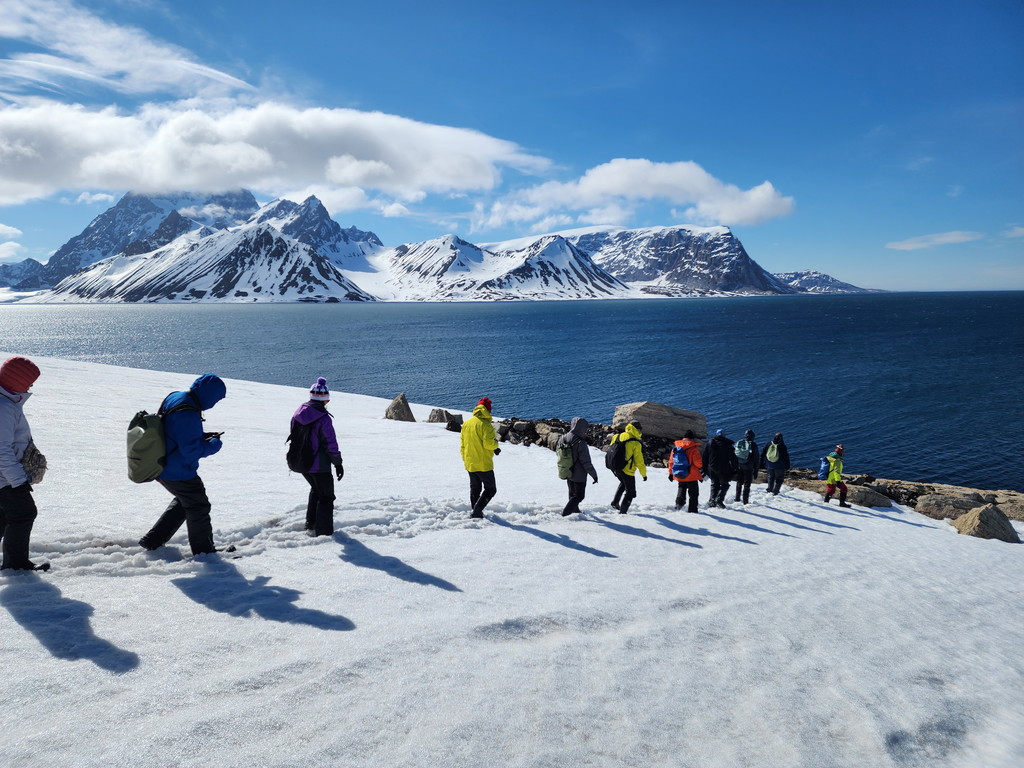
When having these discussions about risk, it’s exceptionally important to consider one’s own limitations. None of us are perfect expedition medics. I come from an intensive care background, so feel comfortable discussing the various potentially life-threatening conditions, but am more unfamiliar with broken wrists. General practitioners on the other hand might feel very comfortable with rashes, but less with acute life-threatening asthma, and physiotherapists might be excellent at strapping knees but less comfortable with the risks of antibiotics for traveller’s diarrhoea. When discussing risk with clients, be up front about your own limitations and uncertainties.
Balancing with the day job
I am often asked how I manage to undertake expeditions around my day job, as if the day job is a barrier to employment on expeditions. While it does cut down on the time available, I wouldn’t be able to safely undertake my expedition work without it. There are clinicians who frame themselves primarily as expedition medics, but expeditions alone do not allow one to keep up to date with the rare but serious conditions that are used to justify our employment. Parallel acute clinical work is mandatory to ensure this exposure.
As a resident doctor in New Zealand, I used about half of my annual leave to do expeditions, with the other half reserved to recuperate. As a critical care consultant in the United Kingdom, due to an annualised hours contract, I am able to front load a lot of my work and ensure good periods of time off where I can either recuperate or work on expeditions. In this way, I can maintain a full-time domestic job which helps build clinical experience, and still complete expeditions, which mostly develop team working and interpersonal skills. I suggest we build our experience in both expedition and domestic work to balance our own professional risk.
The riskiest trip
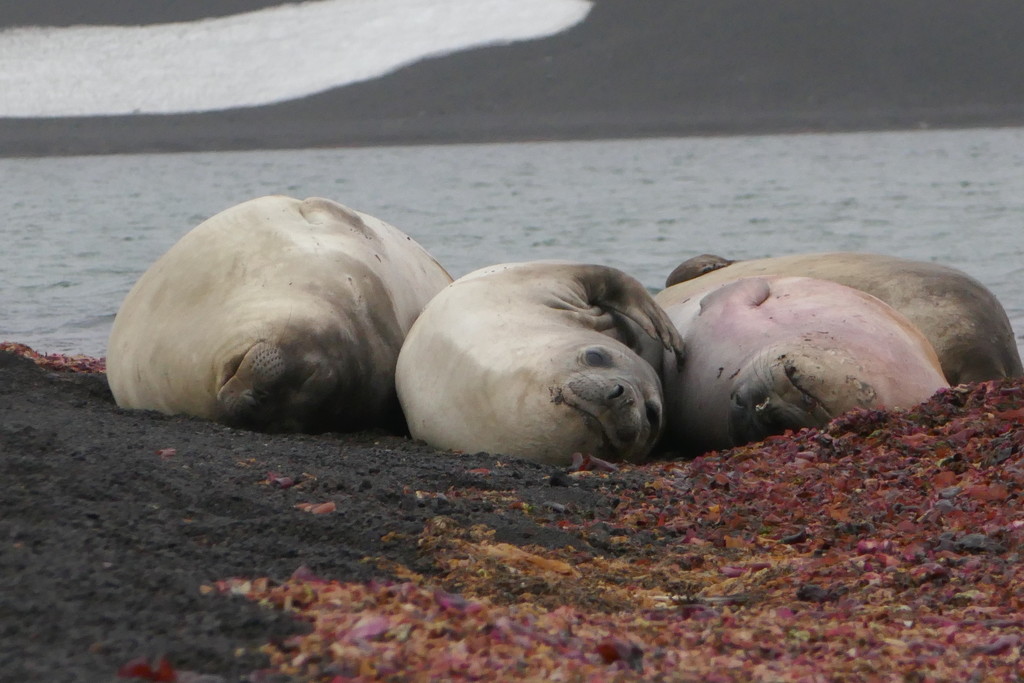
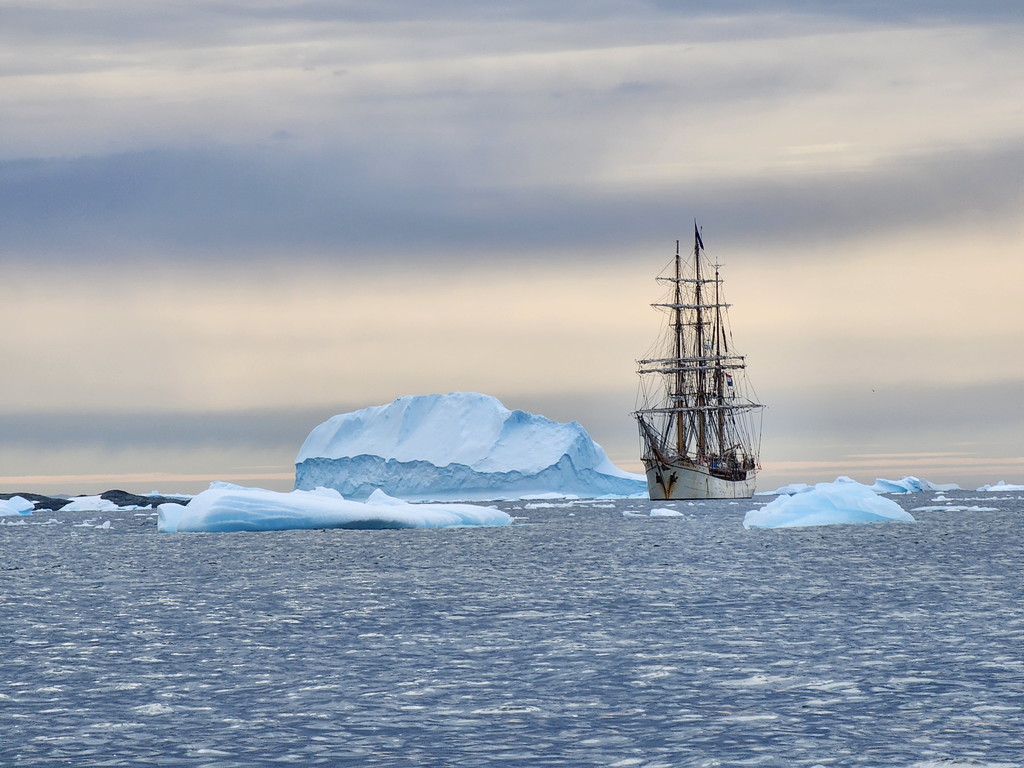
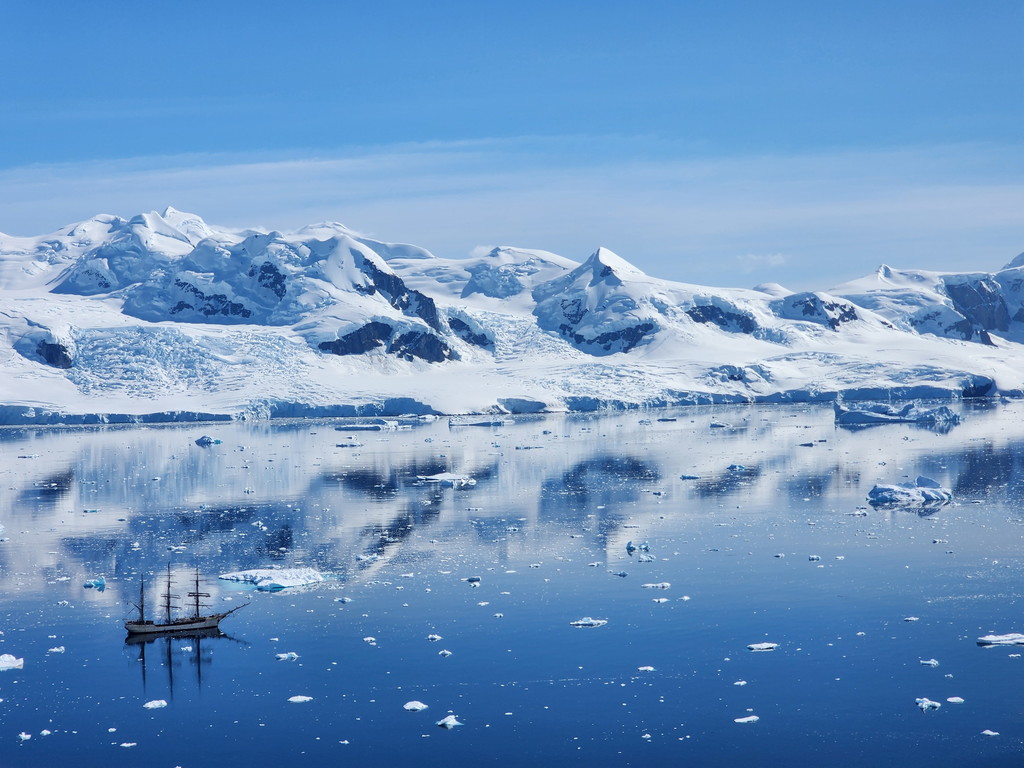
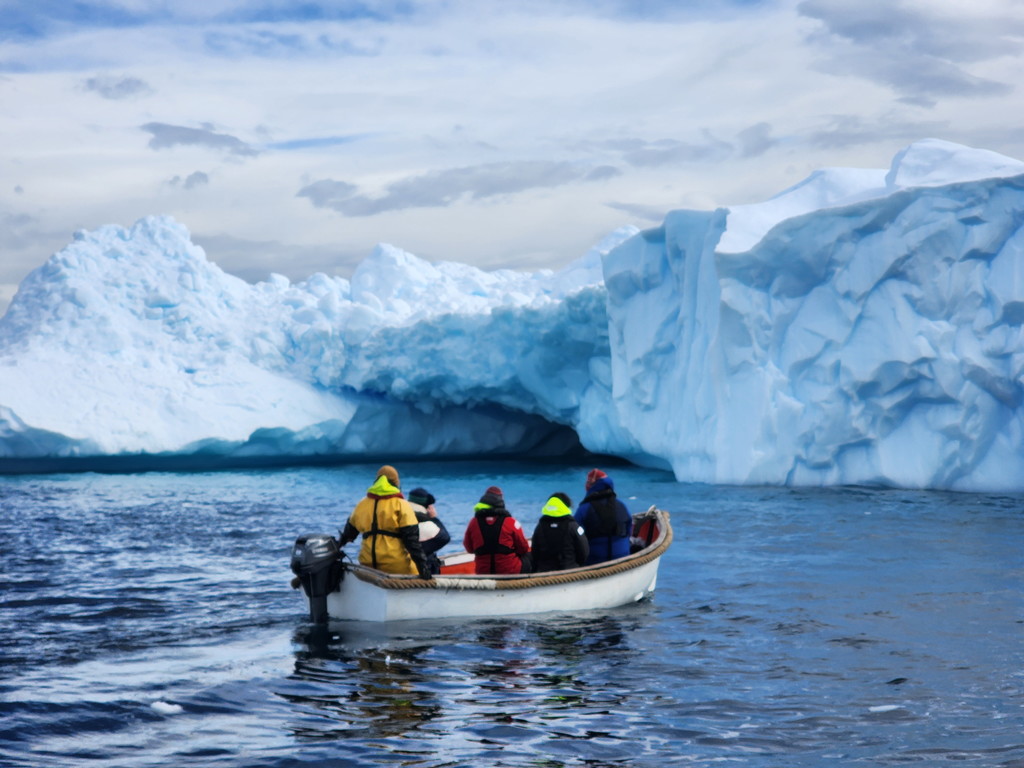
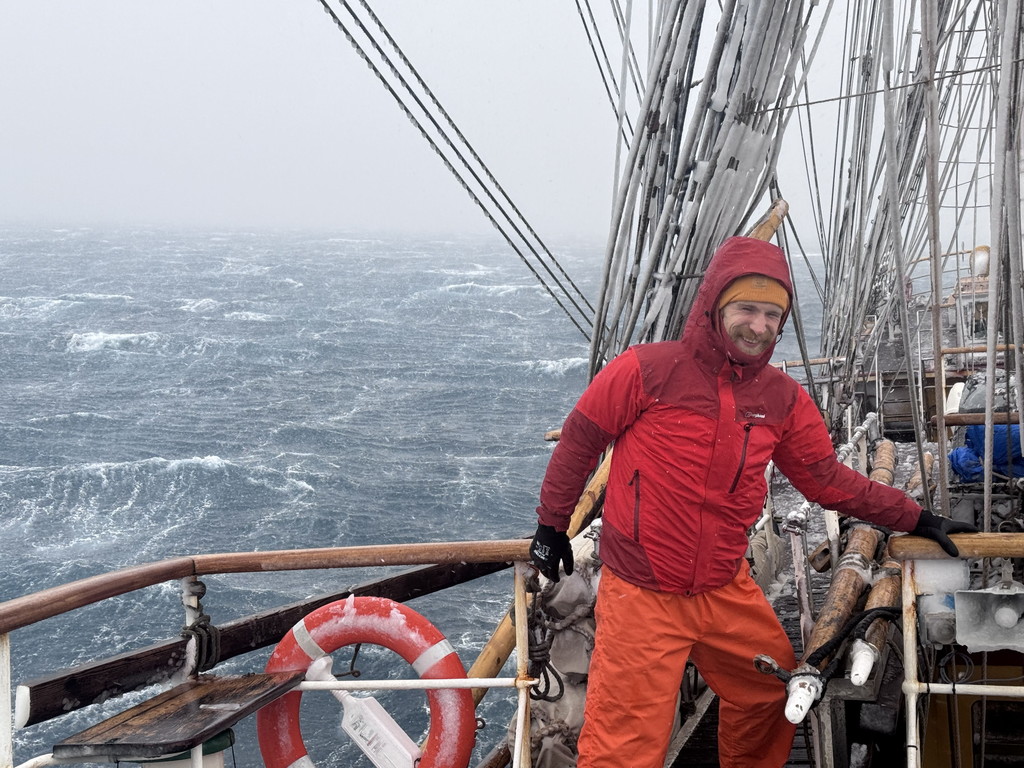
I travelled to Antarctica on a tall ship in January as the sole medical cover, and on paper this was the riskiest trip I have undertaken. Some of the clients were anticoagulated, others on immunotherapy for metastatic cancer, and everyone was climbing up the rigging untethered some twenty metres above the deck – or above the deep dark ocean when there was a more aggressive heel to the boat. We were at our farthest approximately three days’ continuous motor cruising from the nearest hospital, with no realistic prospect of an airborne rescue.
The Faculty of Pre-Hospital Care of the Royal College of Surgeons of Edinburgh publish guidelines for the degree of experience suggested for expedition medics, and quite rightly this trip featured in the highest risk and highest consequence categories of their risk matrix. For this expedition, the faculty suggest experience working in the leadership of expeditions, with specific environmental experience, advanced experience in any undertaken activity, and the title of a consultant doctor, highly experienced in expedition medicine. Acknowledging this, I signed up for a trip as expedition and ships doctor on a more resourced trip around the Arctic in the previous year to build the specific experience suggested. This helped me to manage my own risk by building my exposure gradually.
Top tips
Dom Hall wrote about risk management over a decade ago for Adventure Medic as a non-clinician. He provides four top tips; I’ll add my own to take it to eight:
1. Consider the interplay of your patient’s medical history, the environment, the activity, and your own experience when determining risks; both for you and your clients
2. Work with the expedition leader and the clients to negotiate an acceptable level of risk
3. Pack a medical kit that covers the likely eventualities
4. Finally, consider how it would look if it went to court. Would you expect others in the field to stand behind you and agree they would have done similar, or do you need to build your own experience first?
For me, I’ll continue to work in my day job, pick up expeditions where I can, and pop down to the Emergency Department from time to time to remind myself where the scaphoid is.
Afternote
Details have been changed about the patients and expeditions to maintain anonymity.