Dr Kam Khan / General Practitioner / British Army
Dr Khan is a dedicated expedition medic who served 31 years as a General Practitioner in the British Army. He specialised in providing Primary Healthcare and Prehospital Emergency Care in some of the world’s most remote and challenging environments. His operational and expedition experience spans six continents, with plans underway to complete the seventh in Antarctica. A recognised authority in wilderness and expedition medicine, Dr Khan founded and chaired the special interest group in this field and contributed significantly to the Joint Service Expedition Medical Advisory Group. His expertise is formally recognised by the Fellowship of the Royal Geographical Society (2016) and the Fellowship of the Academy of Wilderness Medicine (2021). He also serves as a trustee for Equal Adventure and supports veterans through The Not Forgotten and the Royal British Legion. Dr Khan maintains a strong affinity for the wilderness, particularly high altitude trekking and diving.
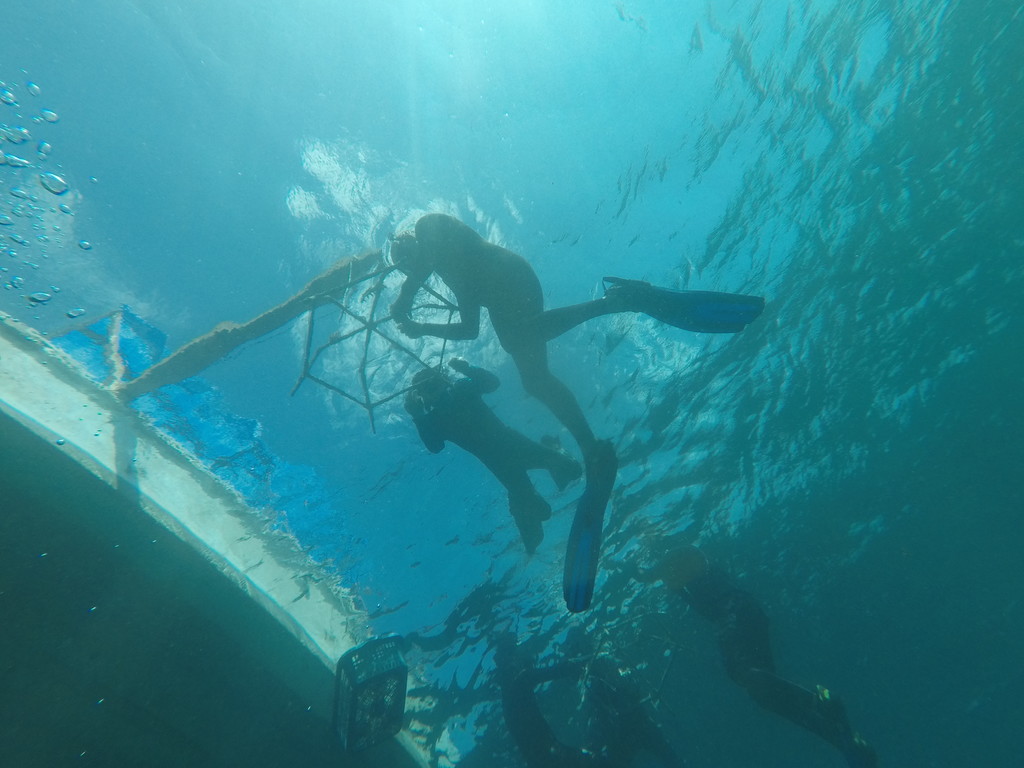
A diver surfaces, breaking the water’s calm. She is streamlined, powerful, and completes her surface protocol with practiced efficiency. Moments later, another diver emerges from a deeper, more demanding dive. He removes his mask, takes his first recovery breaths, but something is not quite right. His head begins to roll, and his arms exhibit uncoordinated, jerky movements. Within seconds, his safety diver is there, securing his airway and offering support. The episode passes as quickly as it began; colour returns to the diver’s face, and lucidity is restored.
As the medic observing from the boat, you have just witnessed a classic, well-managed loss of motor control. What physiological cascade has just reached its critical point? And what is your immediate concern?
More Than Just Holding Your Breath
Freediving, the discipline of underwater diving on a single breath, is often misrepresented in popular media as a daredevil pursuit. In reality, it is a sport of immense skill, equanimity, and profound physiological adaptation. For remote medicine practitioners, whose work often places them in environments where such activities occur, moving beyond the sensationalism is crucial. This article aims to equip you with a foundational, clinically relevant understanding of freediving physiology and the key medical considerations you might encounter, enabling a more informed medical practice.
The Body’s Aquatic Blueprint: Understanding the Mammalian Dive Reflex
At the core of a freediver’s ability to explore depth is a remarkable set of innate adaptations known as the Mammalian Dive Reflex (MDR). Far from being an anomaly, this is a conserved physiological response hardwired into our genetics, which is voluntarily honed by freedivers to a remarkable degree. The primary components include:
- Bradycardia: Upon facial immersion in water (particularly cold water), the heart rate slows profoundly, in some elite divers dropping to below 30 beats per minute. This powerful vagal response dramatically reduces myocardial oxygen demand, conserving precious reserves for the dive.
- Peripheral Vasoconstriction: The MDR initiates a powerful, systemic shunting of blood away from the peripheries—the muscles of the limbs and skin—towards the vital organs of the central circulation, namely the brain and the heart. This intelligent redistribution ensures that oxygenated blood is directed where it is most critically needed.
- The Spleen Effect: One of the most fascinating components is the contraction of the spleen. Acting as a biological scuba tank, the spleen stores a reserve of concentrated red blood cells. During a dive, it contracts, releasing this oxygen-rich blood into circulation and significantly boosting the body’s oxygen-carrying capacity.
The Pressure Gradient: Key Pathophysiology for the Expedition Medic
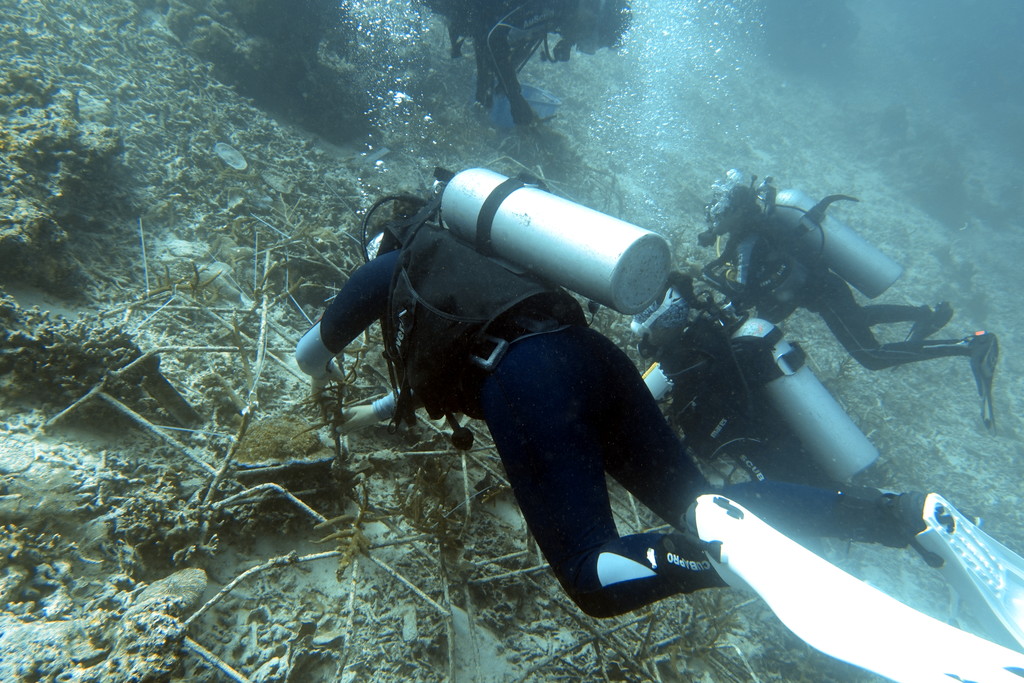
While the MDR is protective, the rapid changes in ambient pressure create the primary pathological risks. A sound understanding of these mechanisms is essential for any medic providing cover.
Barotrauma: The Physics of Squeeze
Barotrauma results from the failure to equalise pressure in the body’s air-filled spaces with the surrounding hydrostatic pressure.
- Middle-Ear and Sinus Barotrauma: This is the most common malady affecting novice and experienced divers alike. Failure to introduce high-pressure air into the middle ear via the Eustachian tubes during descent creates a negative pressure gradient, leading to pain, tympanic membrane oedema, haemotympanum, and potential perforation. Sinus squeeze presents similarly with sharp, localised facial pain.
- Thoracic Barotrauma: A far more serious concern, lung squeeze occurs when a diver descends to a depth where the ambient pressure compresses the thoracic cavity to a volume below the lungs’ residual volume. This can cause transudation of fluid and blood into the alveolar spaces. The primary clinical sign is post-dive haemoptysis, which can range from blood-streaked sputum to more significant bleeding and requires immediate cessation of diving.
Hypoxia and Its Manifestations
The entire discipline is a dance with hypoxia. Understanding its presentation is critical.
- Hypoxic Blackout (BO): Often termed ‘shallow water blackout’, this loss of consciousness is typically not a result of running out of oxygen at depth. Instead, it occurs during the final 10-15 metres of ascent. Due to Boyle’s Law, as the diver ascends and ambient pressure rapidly decreases, the partial pressure of oxygen (PO2) in the lungs drops precipitously. If this PO2 falls below the level required to maintain consciousness (~30 mmHg), a blackout will occur, usually without any warning sensation.
- Loss of Motor Control (LMC / “Samba”): As witnessed in our opening vignette, an LMC is a visible sign of significant, near-critical hypoxia. It represents a point on the hypoxic continuum just prior to a full blackout. The uncoordinated movements are a sign that the motor centres of the brain are failing, and it is a critical moment for intervention by a safety diver. Rapid recovery is typical once breathing is restored, but it is a clear indicator that the diver has reached their absolute limit for that dive.
Gas-Related Issues
While more commonly associated with scuba, certain gas-related problems are relevant to freediving.
- Nitrogen Narcosis: At depths typically beyond 30-40 metres, the increased partial pressure of nitrogen can exert an anaesthetic effect on the central nervous system, leading to euphoria, impaired judgement, and reduced coordination. This can compromise a diver’s ability to execute their dive plan and recognise warning signs.
- Decompression Sickness (DCS): Though uncommon in most recreational freediving profiles, DCS is a recognised risk, particularly for professionals engaged in repetitive deep dives with short surface intervals or prolonged ‘hang-out’ dives for photography or work. The pathophysiology is familiar: inert nitrogen absorbed into tissues under pressure comes out of solution as bubbles upon ascent if the ascent is too rapid or the cumulative bottom time is too great. The presentation can range from joint pain and skin mottling to serious neurological or cardiopulmonary symptoms.
An Informed Perspective on a Profound Sport
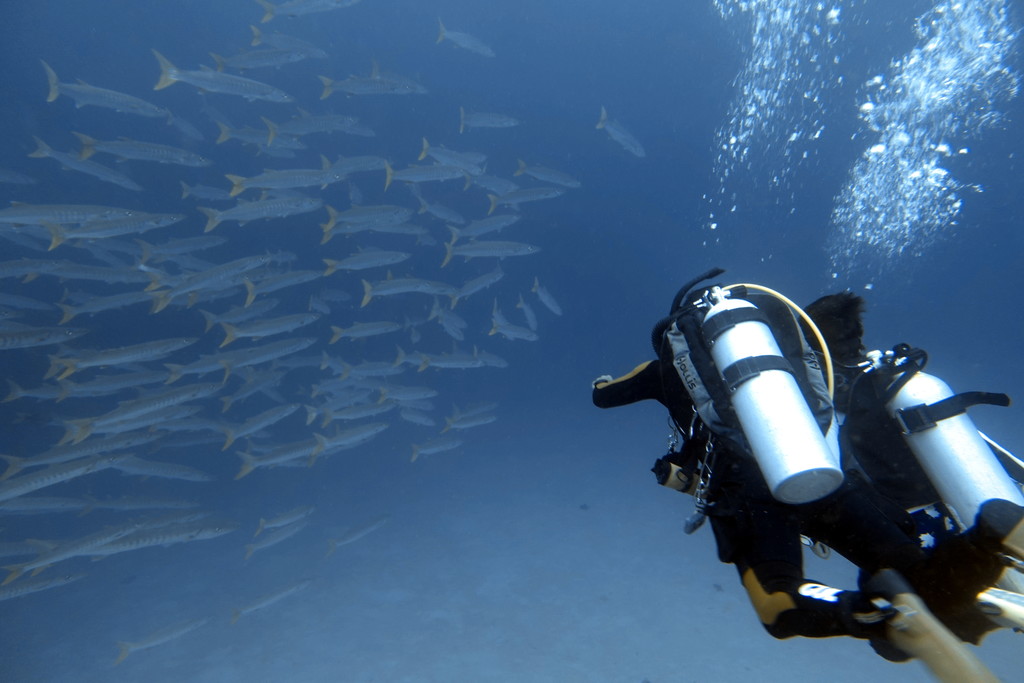
Freediving is a sport defined not by recklessness, but by incredible physiological control, rigorous training, and an intimate understanding of one’s own body. For the expedition medic, the key is to appreciate the unique physiological stresses and recognise their specific clinical manifestations.
The risks, while real, are largely manageable through education and strict adherence to safety protocols. The most important of these is the cardinal rule of the sport: never dive alone. The presence of a qualified and attentive safety diver is the single most critical factor in preventing a hypoxic incident from becoming a fatality. As a medical professional, your role is enhanced by viewing this remarkable activity not just through a lens of pathology, but as a masterclass in human potential and applied physiology.