Kacylia Roy Proulx / Medical Student / McGill University, Canada
Kacylia Roy Proulx is a third year medical student at McGill University with an interest in expedition medicine. She took on the challenge of climbing Mount Kilimanjaro as both a personal endeavour and an opportunity to see physiology and mountain medicine in action. Here she shares what she learned preparing for and executing the climb.
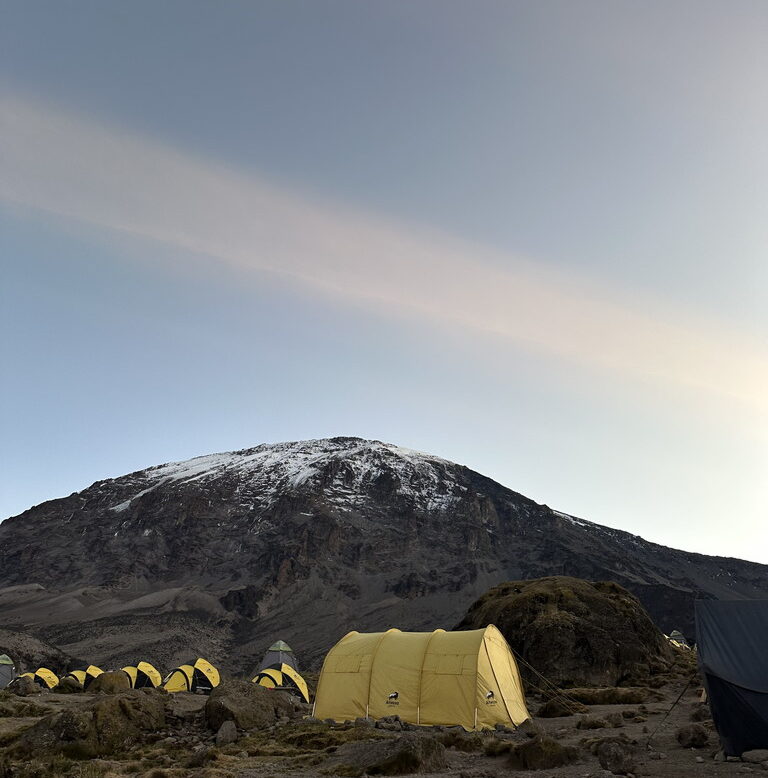
In July 2024, I embarked on one of the most transformative experiences of my life – climbing Mount Kilimanjaro. Standing at 5,895 meters, Africa’s highest peak is a challenge that demands both physical and mental resilience. As a third year medical student with an interest in wilderness, expedition and trauma medicine, this climb was more than just a personal goal. It was a unique opportunity to observe first hand the effects of altitude on the human body and connect these experiences to the research and lectures I had studied before the ascent. What I didn’t anticipate was how much the mountain would teach me – not only about medicine but also about perseverance and personal growth.
Understanding High-Altitude Physiology
Kilimanjaro is often described as one of the most accessible high-altitude climbs. It doesn’t require technical climbing skills, making it a popular destination for trekkers of all backgrounds, with approximately 35,000 to 50,000 climbers attempting the summit each year. However, while the trek itself may be non-technical, the altitude poses significant physiological challenges, reducing its success rate to about 65%.
With every 1,000-meter increase in elevation, oxygen levels decrease by around 3.5%, forcing the body to work harder to meet its oxygen demands and significantly increasing the risk of altitude sickness. To understand why, it is important to examine what happens during ascent. The percentage of oxygen in the air remains constant at 21% regardless of altitude. What changes is atmospheric pressure, which decreases with elevation. This reduction in atmospheric pressure lowers the partial pressure of oxygen – the driving force that moves oxygen into the bloodstream. At sea level, the partial pressure of oxygen is approximately 159 mmHg, but at 5,000 meters, atmospheric pressure is roughly halved, reducing the partial pressure of oxygen’s to around 80 mmHg. This explains the cascade of symptoms and physiological changes climbers experience at high altitudes.
Here’s how it works: the lungs rely on a pressure gradient to move oxygen from the inhaled air in the alveoli into the blood. When the partial pressure drops, less oxygen diffuses into the bloodstream, leading to hypoxaemia (low blood oxygen levels) and, consequently, hypoxia (low oxygen availability in the tissues).
The body has a host of physiological responses that enable it to adapt, or acclimatise, to these conditions. Within hours, heart rate rises to increase cardiac output and support oxygen delivery. The respiratory rate also increases. This hyperventilation increases both oxygen intake and carbon dioxide removal, leading to hypocapnia, which increases blood pH and induces a state of respiratory alkalosis. Whilst an alkalotic state actually shifts the oxygen-haemoglobin dissociation curve to the left, making it more difficult to unload oxygen to the tissues, the decrease in hydrogen ions that causes the alkalosis stimulates a compensatory mechanism in which 2,3-diphosphoglycerate (DPG – a compound found in red blood cells) levels are increased. This increase in DPG shifts the curve back to the right, facilitating enhanced oxygen delivery to the tissues.
Within weeks red blood cell production (erythropoiesis) accelerates and angiogenesis occurs, providing new capillaries to improve oxygen delivery to the tissues.
In the lead up to the climb, I immersed myself in medical literature on high-altitude physiology. I was fascinated by the body’s ability to adapt to extreme environments and determined to understand the mechanisms behind conditions like Acute Mountain Sickness (AMS). AMS, which can occur at elevations as low as 2,500 meters, arises when the body struggles to acclimatise quickly enough to reduced oxygen levels. Symptoms like dizziness, nausea, headaches, and difficulty sleeping are hallmark signs of AMS.
However, AMS isn’t the end of the story. If left unchecked, it can progress to severe and potentially life-threatening complications, such as High-Altitude Cerebral Edema (HACE) and High-Altitude Pulmonary Edema (HAPE), however not all who develop HACE or HAPE experience AMS symptoms. Although the pathophysiological mechanism of HACE is not fully understood, in simple terms it is thought to occur due to hypoxia-driven neurohormonal and haemodynamic changes which cause cerebral vasodilation and increased permeability of the cerebral vasculature, leading to cerebral oedema and a rise in intracranial pressure. This can present as confusion, ataxia, severe headaches, and, in extreme cases, coma and death.
HAPE, on the other hand, is caused by uneven vasoconstriction in the pulmonary arteries, a response to low oxygen levels. Hypoxia triggers pulmonary blood vessels to constrict, redirecting blood flow to better-oxygenated areas of the lungs. However, this process can occur unevenly, creating localised areas of high pressure. This increased pressure forces fluid out of the capillaries and into the alveoli thus impairing gas exchange. Symptoms of HAPE include shortness of breath, a persistent cough (classically producing frothy or blood-streaked sputum), and cyanosis. If untreated, the strain on the pulmonary circulation can lead to right heart failure, compounding the risk of fatal outcomes. Both HACE and HAPE require immediate descent and, if available, medical intervention to prevent further deterioration.
Understanding these risks heightened my vigilance during the climb as I closely monitored myself and my fellow climbers for any early warning signs. One climber in my group began experiencing altitude sickness as early as the third day of our trek, with severe vomiting, dizziness, and headaches. We immediately slowed the pace, increased her water intake, and ensured she was eating enough, as proper hydration and nutrition are essential for managing and preventing altitude sickness. While her symptoms were relatively mild, they were a stark reminder of how fragile the human body can be in extreme conditions. With rest and care she improved but remained vulnerable over the following days, requiring close monitoring for any further warning signs.
In addition to our personal vigilance, our guide implemented an important safety measure: taking the oxygen saturation levels of everyone in the group every evening. This provided an objective way to monitor how our bodies were coping with the increasing altitude. At sea level, healthy individuals typically maintain oxygen saturation levels between 95% and 100%. However, as we ascended, the reduced atmospheric pressure caused oxygen saturation levels to drop significantly. By tracking these levels daily, the guide could identify early signs of hypoxemia, which could signal an increased risk of severe altitude sickness. This allowed for timely interventions, such as slowing the pace, administering supplemental oxygen, or even descending to a lower altitude if necessary. It was fascinating to observe how individual responses varied, with some climbers maintaining relatively stable readings while others saw more dramatic declines. These small but critical measures underscored the importance of preparation, monitoring, and teamwork in tackling the challenges of high-altitude trekking.
The Role of Preparation
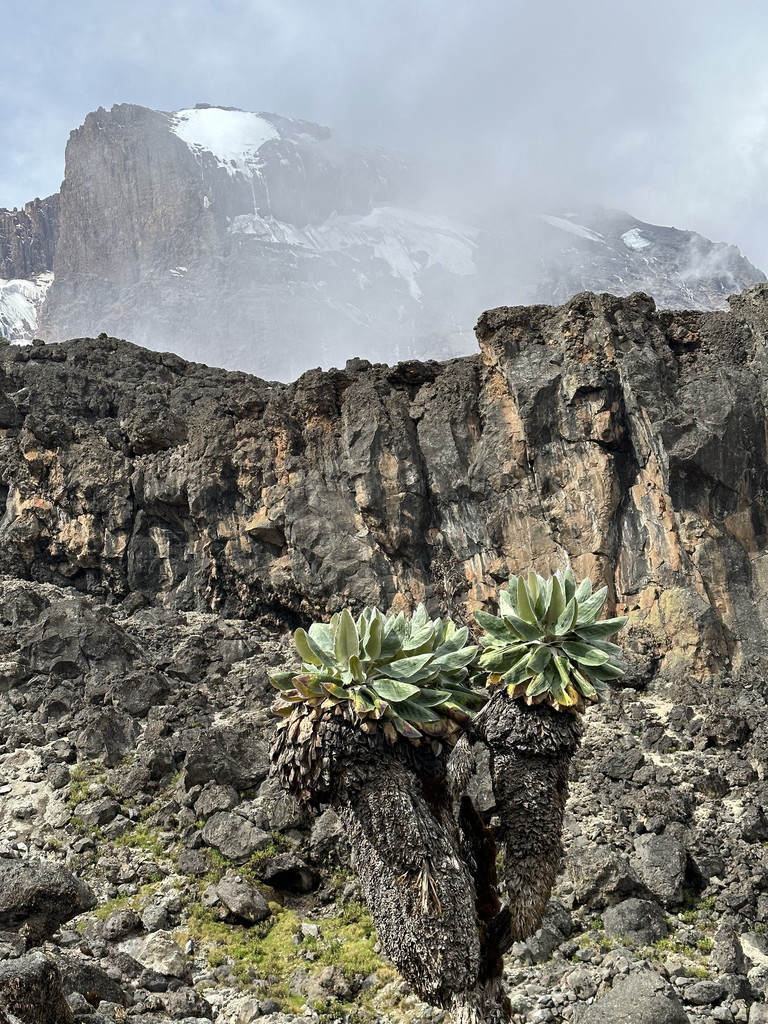
Preparation is the key to a successful and safe climb. For me, it became clear that understanding the medical principles behind these strategies, combined with careful personal preparation, made all the difference during my Kilimanjaro climb.
Physical fitness plays a crucial role in tackling the demands of high-altitude climbs. A higher level of cardiovascular fitness can be an advantage, particularly when adjusting to lower oxygen levels. Fitness improves circulation, endurance, and the body’s ability to handle increased strain. A prospective observational study at extreme altitudes conducted in 2023 found that climbers with higher maximal oxygen uptake (VO2 max) at sea level and moderate altitudes had a better chance of reaching the summit and a lower risk of experiencing severe altitude sickness.
Before the climb, I made sure to train specifically for the challenge. Although I maintain a baseline level of fitness, I knew that high-altitude trekking required some additional preparation. In the months leading up to the climb, I focused on hiking in the mountains near my home, particularly in the Adirondack Mountain Chain. This allowed me to simulate the conditions I would face on Kilimanjaro, testing not only my fitness but also my gear. On weekends, I would set off on longer hikes, carrying a loaded pack to get used to the strain of altitude while refining my pacing. During the week, I maintained my cardio fitness with activities like running and cycling, focusing on building endurance and strengthening my legs. Combining these different types of training helped me feel confident that I was physically prepared for the demands of the climb.
However, physical fitness alone isn’t enough to protect against altitude sickness. Even the fittest climbers are at risk, and that’s where pharmacological interventions like acetazolamide can be considered. Acetazolamide, a carbonic anhydrase inhibitor, is sometimes recommended to help prevent altitude sickness by stimulating the kidneys to excrete bicarbonate, leading to mild metabolic acidosis. As a prophylactic measure, this facilitates acclimatisation by stimulating ventilation and therefore increasing alveolar and arterial oxygen levels. Taken at altitude, this acidosis compensates for the respiratory alkalosis caused by hyperventilation, favouring increased oxygen delivery to the tissues which can help prevent and treat symptoms of AMS.
The Importance of Acclimatisation
With all aspects of preparation in place, acclimatisation became the final, essential piece of the puzzle for avoiding altitude sickness and reaching the summit. Initially, the body responds by increasing alveolar ventilation, helping improve oxygenation in the blood. As you climb higher, plasma volume decreases, which raises the concentration of haemoglobin, enhancing oxygen carrying capacity. Over time, this process stimulates the production of red blood cells, which further increases oxygen transport to tissues and organs.
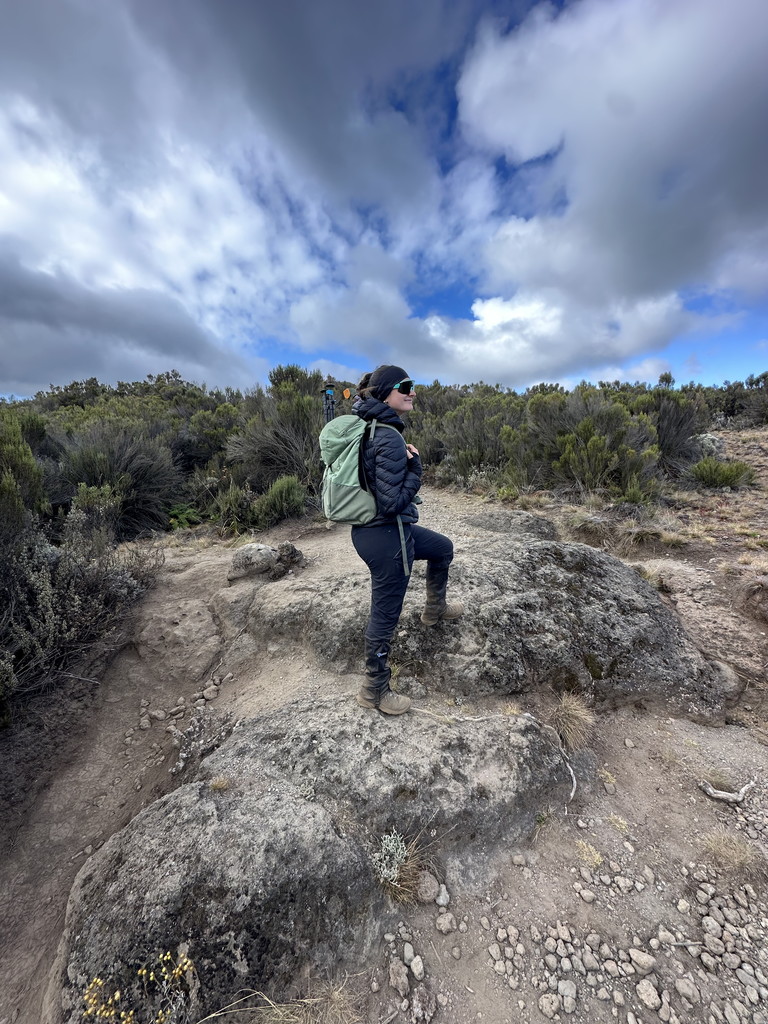
Kilimanjaro’s Lemosho route, which we followed over 8 days, is renowned for its gradual ascent, allowing for improved acclimatisation. This slower pace is why the Lemosho route boasts a high success rate, ranging from 80-90%. On several occasions, we hiked to higher elevations during the day and returned to a lower altitude to sleep. This practice, called “climb high, sleep low,” is a key strategy to help your body adjust without overburdening it.
The Mental Health Component of Climbing
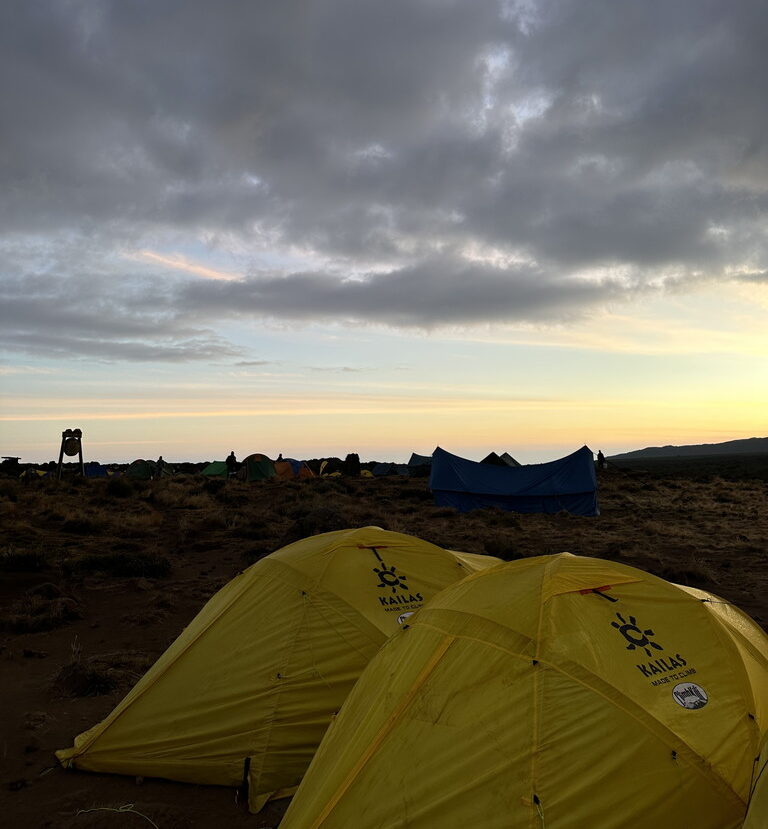
While physical endurance is essential for climbing a mountain like Kilimanjaro, the mental component is just as crucial – if not more so. The psychological toll of high-altitude trekking is something I hadn’t fully anticipated until I was deep into the climb. After several days of trekking, I began to notice the psychological effects of the altitude: sleep disturbance, irritability, and a constant, underlying sense of exhaustion that weighed on me more than I expected.
It wasn’t just the physical fatigue that affected me – it was the mental fatigue that came with it. The body’s struggle to get proper rest at high altitudes plays a big role. Research backs this up, showing that sleep quality significantly declines as you ascend. The lower oxygen levels make it more difficult for the body to enter the deep stages of sleep, which are essential for muscle recovery. I noticed that even when I did manage to fall asleep, I would wake up multiple times throughout the night, feeling restless and unrefreshed. This sleep deprivation, combined with the physical exhaustion, led to moments of mental struggle – times when my patience was tested, and my mood would fluctuate, making the climb feel even more challenging.
The cognitive effects at high altitude also became more evident as the days passed. It wasn’t just physical performance that I had to focus on, but mental sharpness too. Simple tasks, like remembering small details or keeping my attention on the path ahead, started to feel more challenging. Research has shown that cognitive function at high altitudes can suffer. Short-term memory, decision-making, and attention span can decline as the body adjusts to the reduced oxygen levels.
Despite these mental challenges, I found ways to cope. The climb itself, with its pole – pole, slow and steady rhythm, helped me focus on smaller, manageable goals rather than the overwhelming task of reaching the summit. I would focus on the next step, the next bend in the trail, or making it to the next camp. It was these small victories that kept me going.
The Risk of Hypothermia
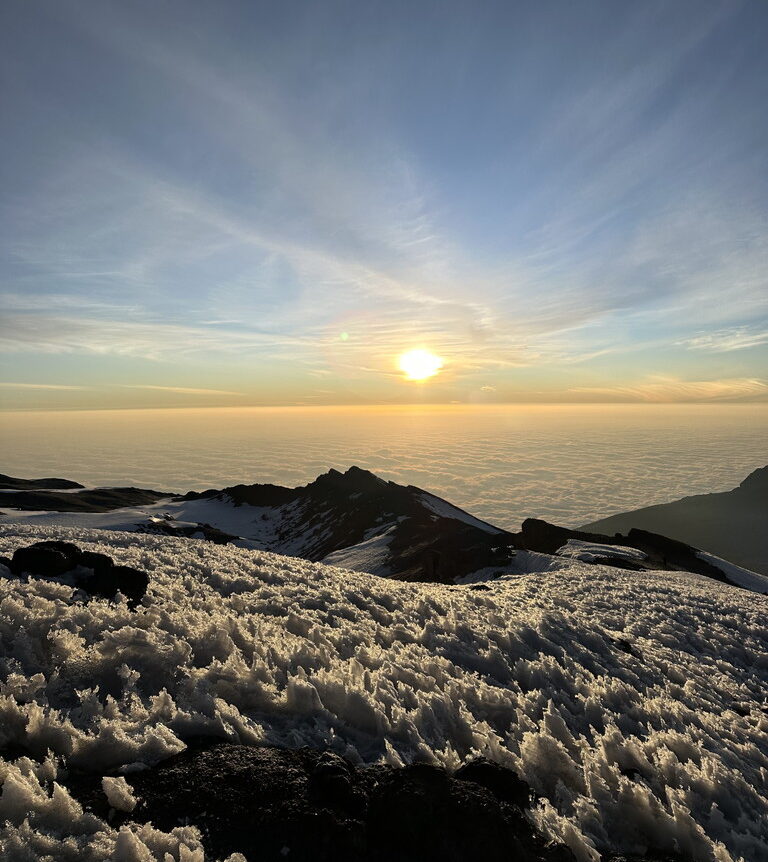
As the mental and physical challenges of the climb continued to weigh on me, I was reminded that in high-altitude environments, the threat of hypothermia is ever-present. On the seventh day of our climb, we woke up at 1am, ready to start our summit push – a 7-hour climb in the dark and freezing temperatures to reach Uhuru Peak at 5,895 meters for sunrise. Despite the exhilaration of the summit, the biting cold was unrelenting. My gloves barely seemed to keep the cold at bay, and my fingers began to tingle ominously – a subtle but significant warning sign of frostnip, the precursor to frostbite.
Hypothermia becomes a real risk when heat loss exceeds heat production, especially as the body burns through energy reserves at an accelerated rate just to maintain basic functions. The body’s natural response to the cold is peripheral vasoconstriction, which diverts blood flow away from extremities to preserve core temperature. However, this process also sets the stage for frostbite in unprotected tissues.
As I stood there, I felt the conflicting pull between the desire to take in the breathtaking view and the urgent need to retreat from the unforgiving conditions. I could sense how exhaustion, combined with the freezing cold, could make it easy to overlook the early signs of hypothermia – shivering, clumsiness, and slowed thought processes. I tried to keep moving to generate heat, wiggling my toes inside my boots and flexing my fingers inside my gloves. Taking my gloves off for a quick photo was a painful reminder of how quickly the cold can penetrate; within seconds, my fingers felt as if they were being stabbed by needles, a stark indication of just how little time it takes for exposed skin to begin freezing. As I checked my hands for any signs of white or waxy skin, I was struck by how textbook symptoms suddenly felt very real.
Reaching the summit was euphoric, but the risks were impossible to ignore. The thin air and intense cold meant we couldn’t linger long. Descending felt like a race against time to escape the cold, and as I moved lower, the tingling in my fingers and toes slowly subsided, a reassuring sign that circulation was improving. This experience underscored the delicate balance between adventure and safety, between pushing limits and respecting the body’s fragility in the face of nature’s extremes.
A Summit of More Than Just Altitude
Reaching the summit of Mount Kilimanjaro was more than a personal achievement; it was a powerful first-hand lesson in the balance between human resilience, preparation, and the unpredictability of nature. The climb not only tested my physical and mental limits but also offered valuable insights that I continue to apply to my medical career. Understanding how the human body reacts under extreme conditions – whether due to altitude, trauma, or other stressors – will shape my approach to patient care.
But most importantly, Kilimanjaro, for all its beauty and challenge, has shown me that the journey to the summit is never just about reaching the top – it’s about the lessons learned along the way.