Dr Munro Moffat / Emergency Medicine Resident Doctor / Inverness, Scotland
Since graduating five years ago, Dr Munro Moffat has spent time working in Zambia, Gambia, and now Japan. He has a special interest in global health and expedition medicine and has been an expedition medic in Morocco and recently completed the Diploma in Tropical Medicine and Hygiene. Outside of work he is usually found rock climbing or scrambling around the north of Scotland. After stumbling across an Adventure Medic facebook post advertising the job, he found himself working at a ski clinic in rural northern Japan for the winter.
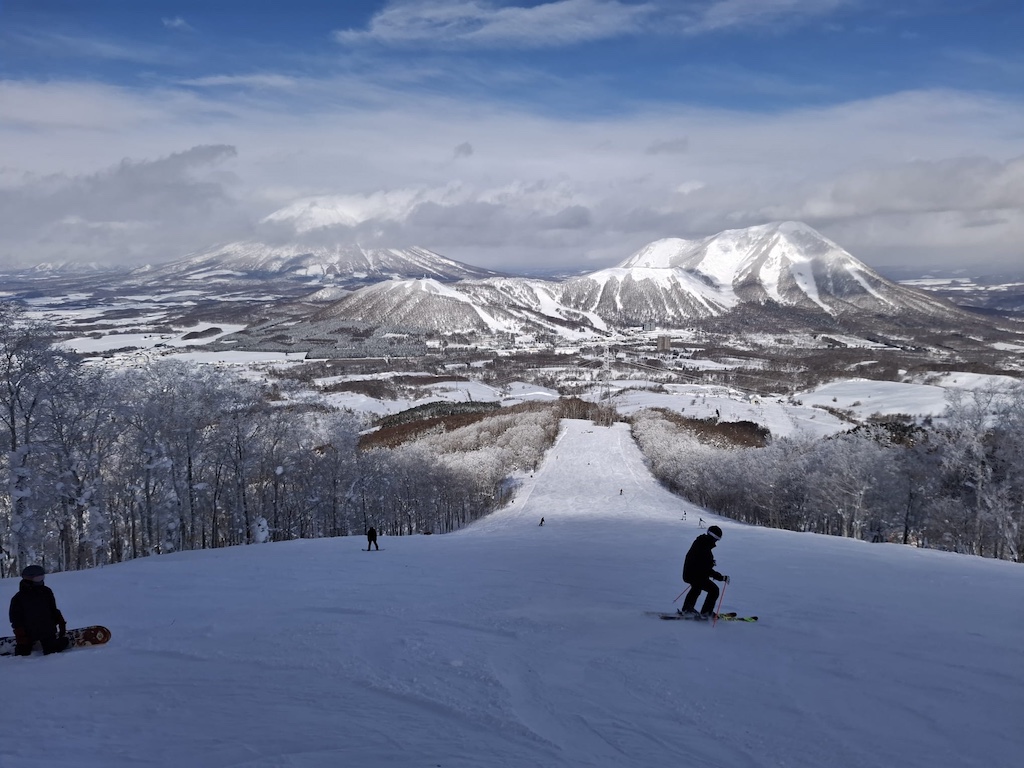
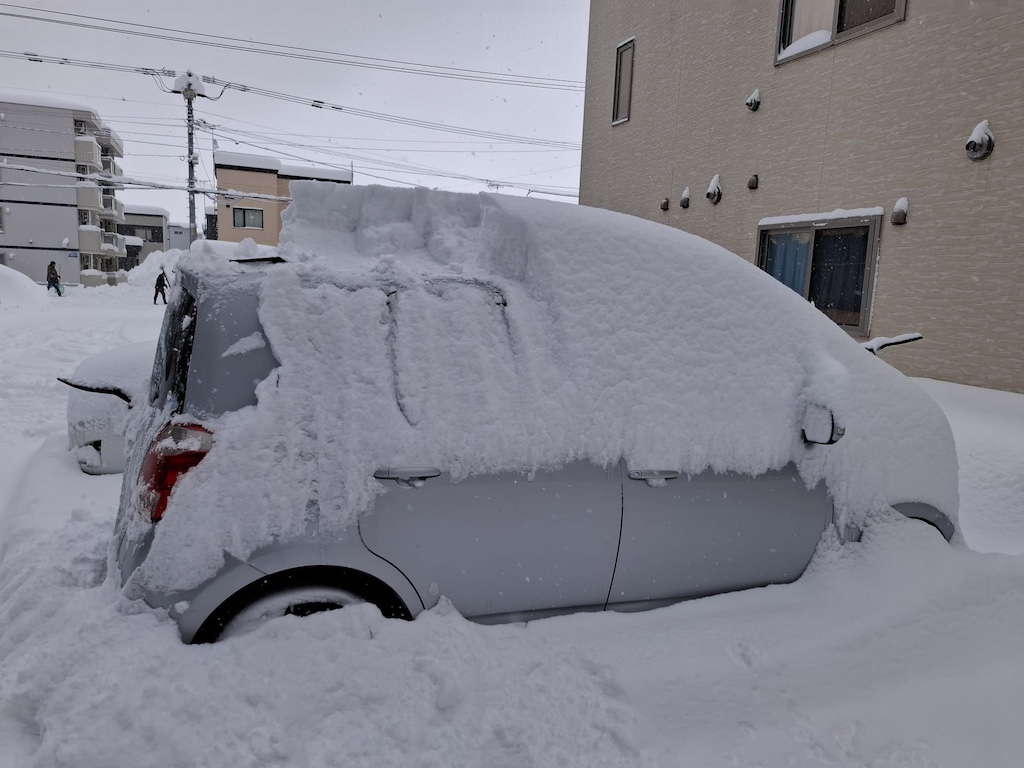
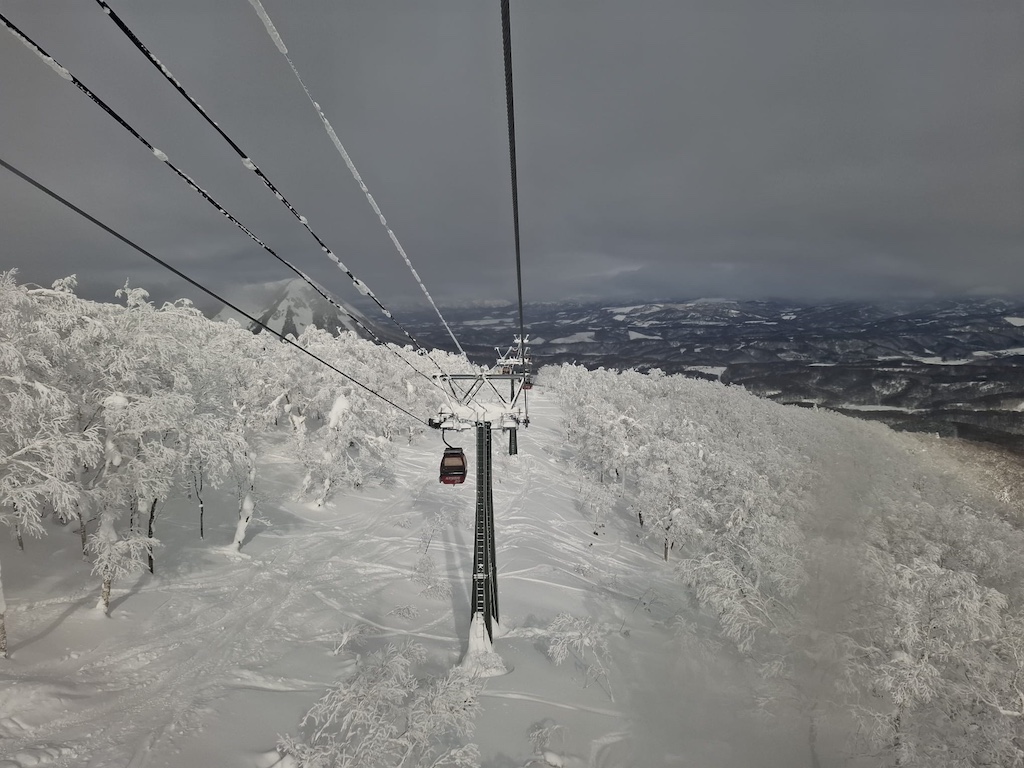
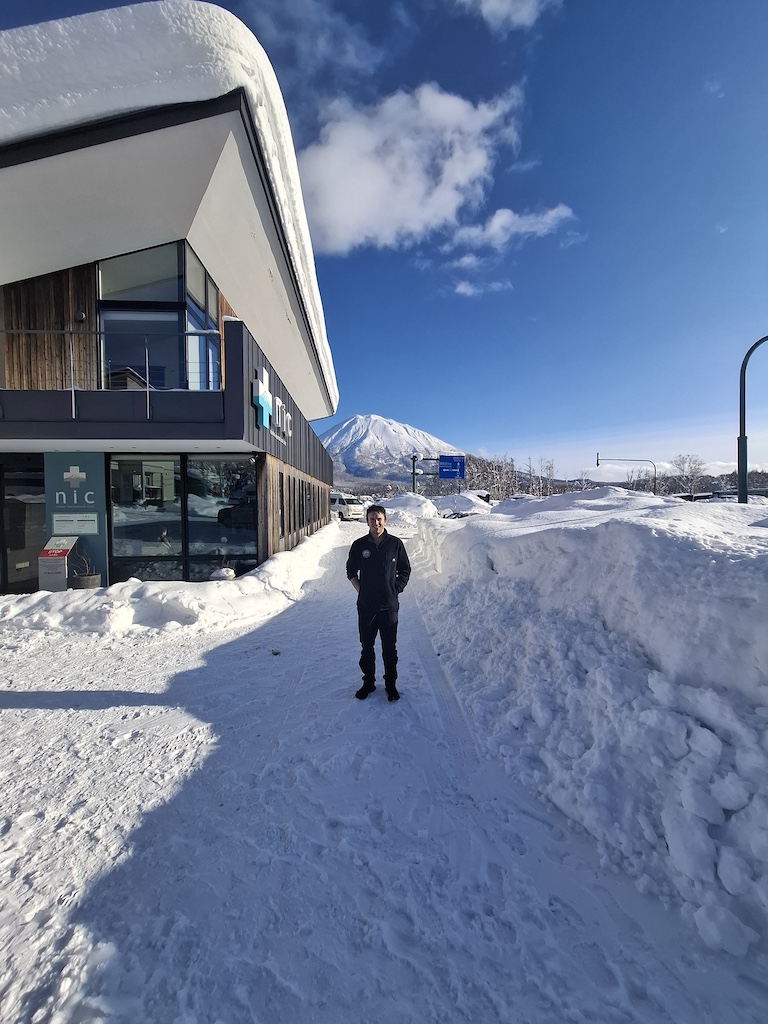
This winter I spent my weekends cruising down fresh powder snow and my weekdays reducing shoulders and assessing knee injuries. This was through the incredible sports medicine and general practice training programme at Niseko International Clinic, Japan. Niseko, situated in northern Japan, famed for fresh powder snow, is a world class destination for snow sports. During the busy winter months, Niseko transforms as seasonal workers and tourists descend on the area for their chance to ride on the slopes by day and enjoy the culinary delights of Japan by night.
What is the Niseko International Clinic?
Niseko International Clinic is a private medical facility providing medical care to tourists and residents during this busy time. With English speaking staff and a focus on snow sport related injuries, the clinic itself is one of a kind in Japan. For the past two years the clinic has taken on international doctors for a sports medicine and general practice training program, and I was lucky enough to be offered one of these roles for the 2024/2025 winter season.
What was working at the clinic like?
In the busy months there was an endless supply of snow sport related injuries. As a novice skier, this definitely forced a moments pause before venturing onto the slopes to learn to ski myself. The clinic could see over 150 patients a day, with somewhere between three to five doctors on duty. Although I have worked in emergency departments in the UK for over a year, I had never had the opportunity to reduce fractures or dislocations. Becoming proficient in these skills was perhaps the best aspect of my time here. With no radiographers at the clinic I was also expected to perform my own x-rays. Having immediate access to the x-ray machine and being able to easily gain extra views proved very useful at picking up more subtle fractures.
Beyond the trauma, the clinic also runs a fever clinic. This aims to funnel the coughing and febrile patients away from the main clinic. I was initially sceptical of the positive pressure trailer used to replenish air within it every 15 minutes and maintain airflow away from the staff. However, after seeing respiratory tract infections multiple times a day and remaining well throughout the season I have become more trusting of it. There was a daily barrage of influenza patients and being able to confirm the diagnosis with point of care testing made the inevitable conversation around antibiotics far easier. Japan is incredibly liberal at prescribing antiviral medications for viral infections such as influenza, including a single dose inhaled medication called Inavir; not licensed in the UK. People fly from all over the world to Niseko, bringing with them infections that would not otherwise be seen here. I saw three confirmed cases of Dengue fever during my time here, a disease which is not endemic to Japan.
Management of typical injuries
There are significant differences in the presentations from snowboarding and skiing related injuries. Common to both were rib fractures, head injuries, shoulder injuries, and lacerations from ski or snowboard edges. In my experience, concussion patients receive a relatively poor standard of care in the UK. This usually consists of telling the patient there is no specific treatment and warning them of red flags to look out for. One great aspect of the clinic was working closely with the sports physiotherapy team. They are much more proficient at managing concussion; with their support we were able to offer our patients a more structured approach to both returning to daily life and returning to sport. We recorded their symptoms on the Sport Concussion Assessment Tool 6 (SCAT6), and provided them with a six step approach to returning to sport. The SCAT6 allows a more objective measure of their symptoms, helping any progress, or lack of, to be more easily identified.
Snowboarders commonly injure their wrists and ankles, while skiers commonly injure their knees or Achilles (one particularly unfortunate patient suffering from bilateral Achilles tendon rupture). Amongst the paediatric skiing population we saw a high number of mid-shaft tibial fractures. For wrist injuries we saw daily distal radial fractures, providing the opportunity to learn how to perform haematoma blocks to reduce these.
Japan has more MRI machines per head of population than any other country in the world making access to MRI as easy as you would expect. With this “on the day” or next day MRI service we were able to guide holiday makers through their choices concerning their injuries and ongoing travel.
The patients themselves presenting to the clinic vary in their financial means and background. The seasonal workers tend to have limited means and live in overcrowded accommodation. As a result, scabies was a constant battle throughout the season. Perhaps another consequence of the cramped living conditions was the ever increasing burden of STI’s as the season progressed. In stark contrast to this, the holiday makers tended to come from very affluent backgrounds, with celebrity and royalty passing through the clinic.
How was it working in private practice?
Japanese health care runs on a government sponsored health insurance programme. You pay a monthly premium for your health insurance entitling you to 70% off your, already heavily regulated, medical bill. Tourists are not eligible for this and so for the non-resident patients the clinic runs as a private medical practice. Like most doctors practising in the UK, this was my first experience of working in private practice. Adding a list of billable items at the end of my notes was certainly a novel experience, but there were benefits. It facilitated more of a conversation with patients about their treatment. Offering them a range of services and explaining what they needed and then the available optional extras became part of my practice. An example of this would be getting an MRI. Even if an MRI was needed, there was often not a clinical need for it to be done in Japan and it could wait until that individual went home. However, patient preference may be to get some answers sooner in order to give them some diagnostic certainty to aid their ongoing holiday plans.
Being in a position to advocate for physiotherapy was great. In the UK physiotherapy on the National Health Service is limited, and often reserved for those we feel really need it. On the other hand, it became very uncomfortable when you felt like a Japanese government health insurance holder would benefit from something such as physiotherapy or STI screening, only to inform them that this would not be covered and thus an additional cost.
What are the challenges of working at the clinic?
Given how well set up the clinic is (with x-ray facilities, ultrasound, and in-house blood testing), it is easy to forget how remote Niseko is. This sometimes means rationalising medical decisions to adapt to the limitations of the local health service; a daunting experience. With no official emergency department, the out of hours service at the local hospital could be run by anyone from a dermatologist to a general surgeon. On top of this, hospitals can, and do, refuse to take patients if they feel they do not have the capacity. Depending on the ailment of your patient, you need to have a much higher threshold for referring them for inpatient management out of hours. One patient attended with abdominal pain and with the onsite blood testing was diagnosed with pancreatitis requiring hospitalisation. At this stage we started calling local hospitals but the referral was repeatedly declined. The clinic has no inpatient facilities or out of hours service, but with no safe place for the patient to go, staff stayed until eventually a hospital over two hours away agreed to accept the patient.
One rather unexpected challenge of my time at the clinic was managing the regular medication supply issues that occur across Japan. Whilst I was there the country experienced shortages of antibiotics and the highly used lidocaine. Penthrox is not licensed for use in Japan and the standard management at the clinic was intra-articular lidocaine for reducing anterior shoulder dislocations. The shortages forced us to do reductions without supporting analgesia.
What do you do in your downtime?
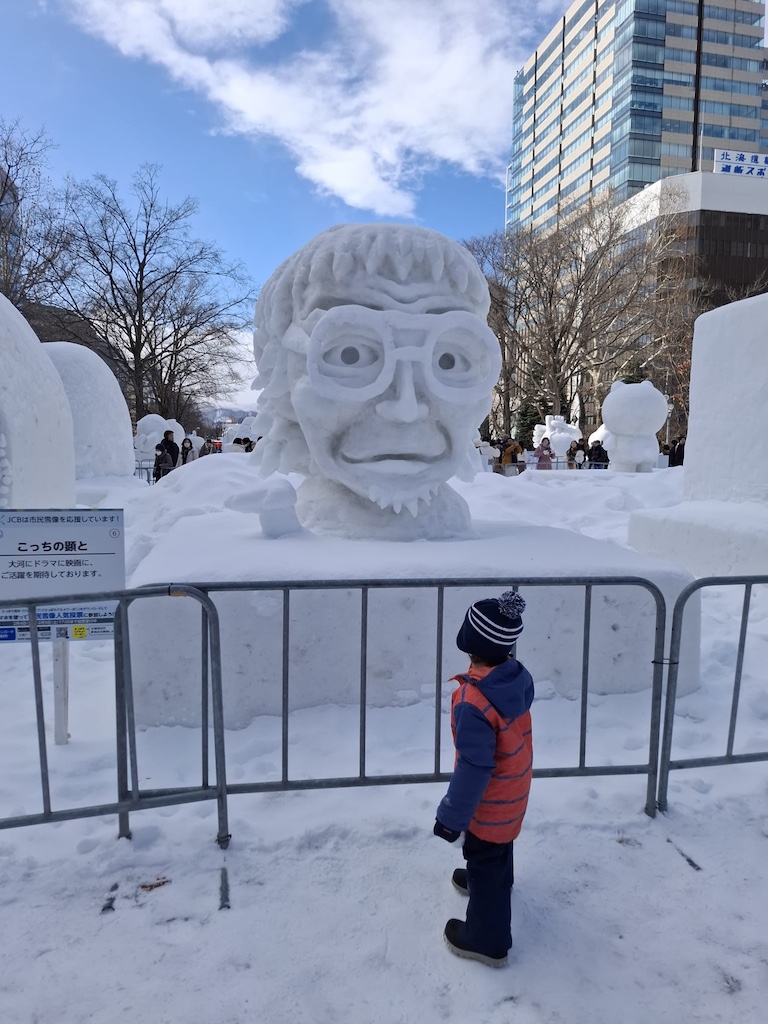
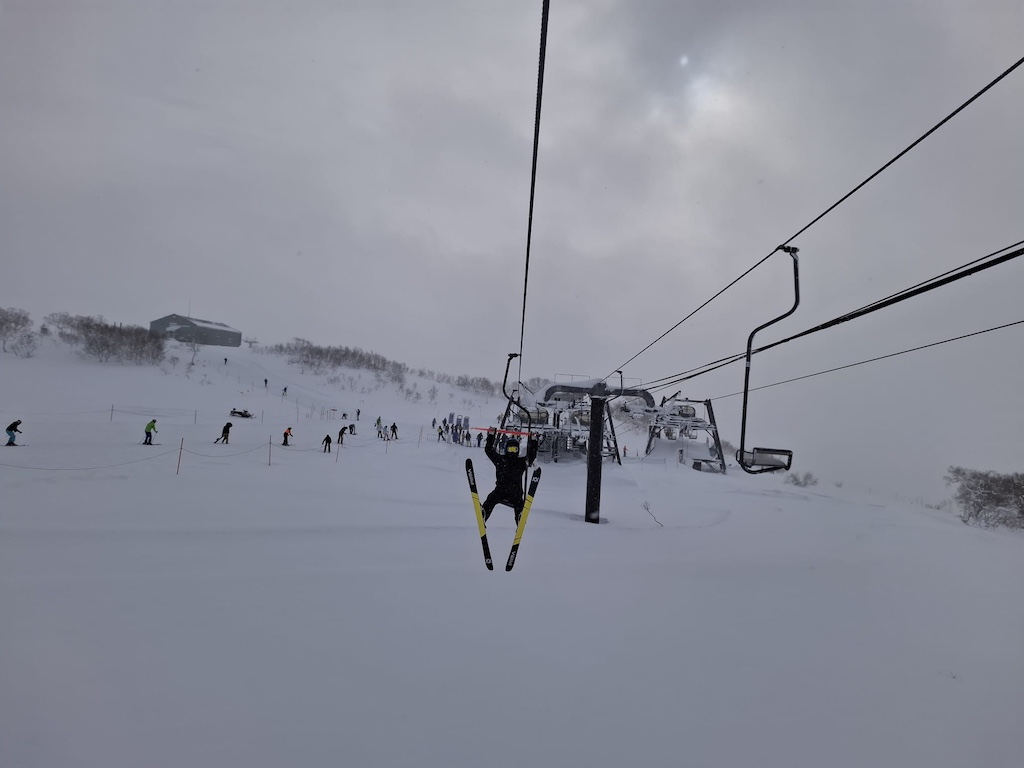
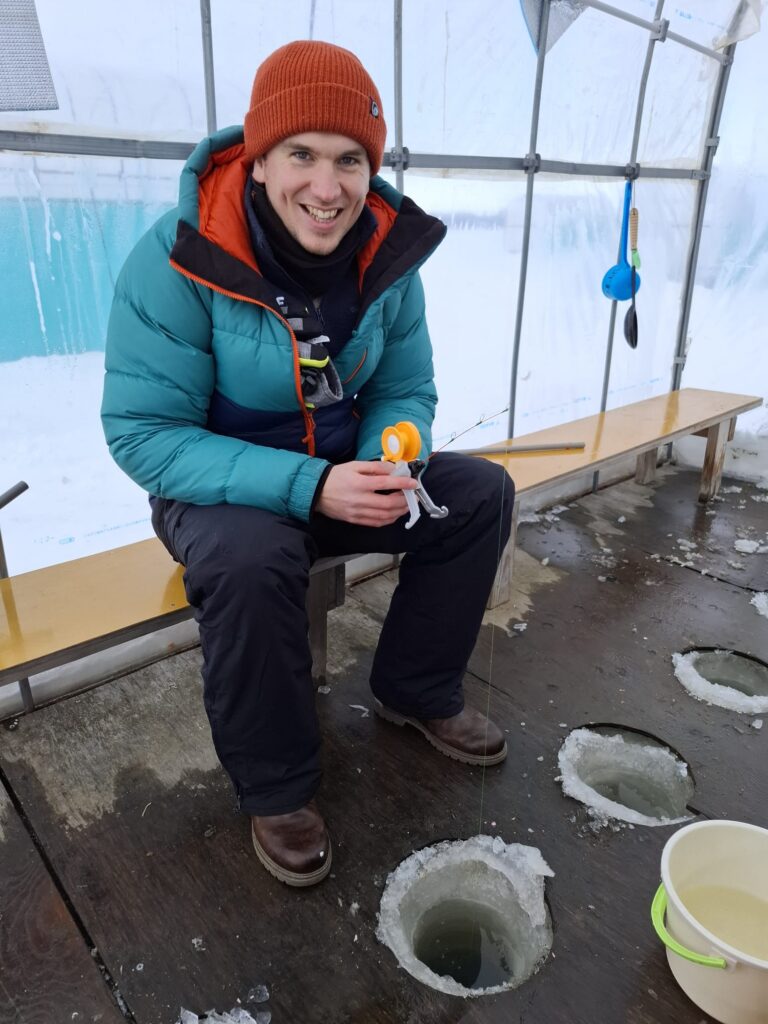
Putting shoulders back in and reducing distal radial fractures is definitely satisfying, but it is the snow that draws people here. I came here as a total novice on the slopes, but spent most weekends skiing. If you are experienced then there is an incredible world of backcountry skiing to explore. Strapping on your skis and flying down the local volcano (Mt Yotei) is a rite of passage for travellers to the area, but well beyond my skillset! When I could pull myself away from the powder there were many other treasures to explore in this often overlooked part of Japan. I experienced various snow festivals in nearby towns (think building sized snow sculptures) and tried ice fishing on a nearby frozen lake. Many of my evenings were spent in onsens (Japanese hot springs) and delving into the incredible culinary world of Japan. One of the greatest delights of Japan is going to the toilet. Never again do I want to suffer through an unheated toilet seat!
How to get involved
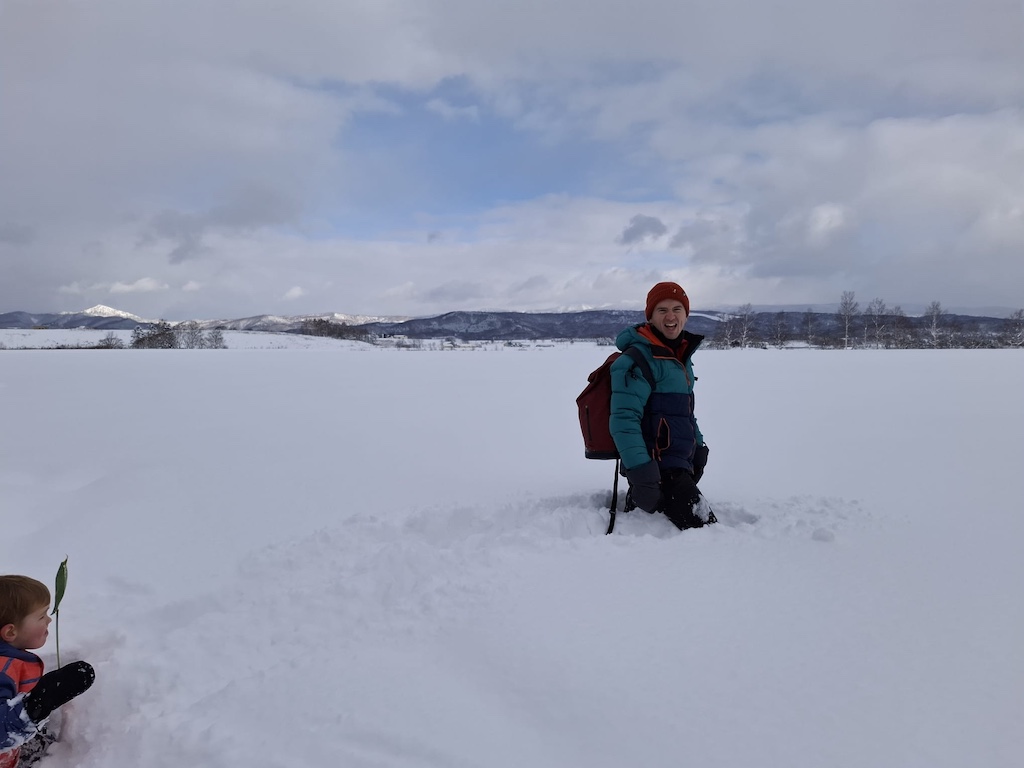
At the time of writing, applications for the 2025/2026 winter season were open. The position is not salaried, but my flights and accommodation were covered and I was given a stipend which was enough money to live off and enjoy life here. Medical Indemnity is also provided through the clinic. The medical director, Dr Moroi, is very supportive and takes the training aspect of your time here seriously. Any qualified doctor with at least 3 years of practice behind them can apply. I came out here with my wife and son and we have had an incredible experience as a family. Other doctors have come out on their own. A background in general practice, emergency medicine, or orthopaedics would suit the position best.
If this sounds like your dream job and you are willing to move to Japan for the winter, then reach out to Niseko International Clinic through their website or facebook page.