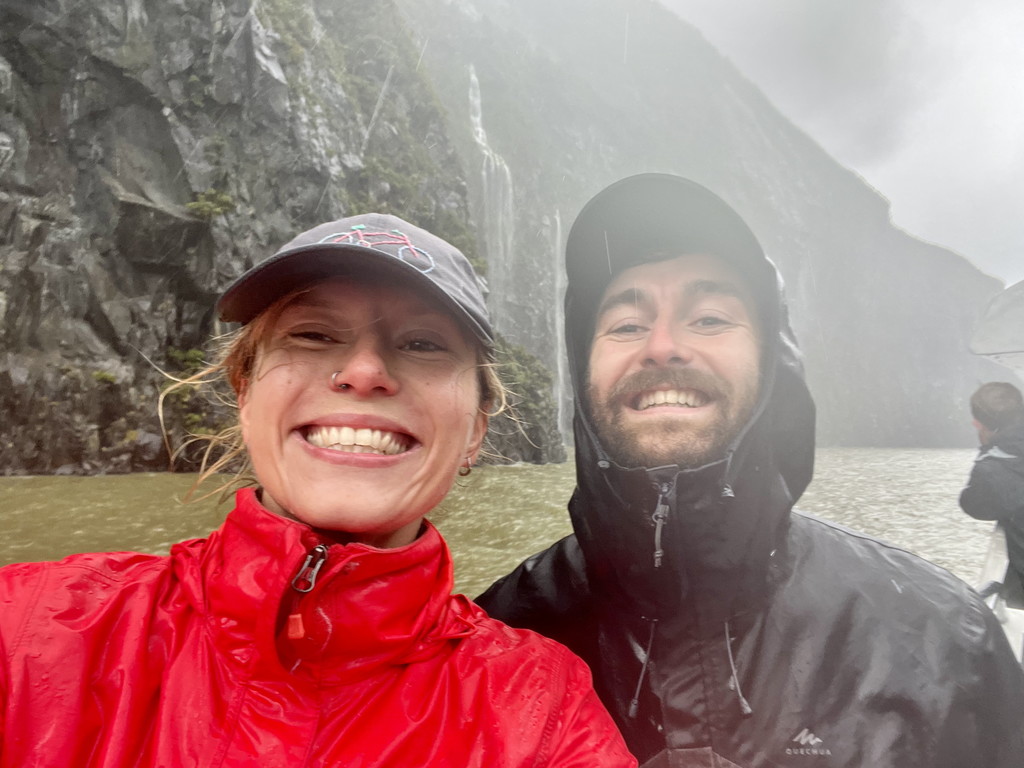
Dr Calum McCoss and Dr Ellen Parkinson / GP Trainees / New Zealand
After completing their foundation training in the UK, Calum and Ellen moved out to New Zealand in 2022. They chose to swap life on the wards to explore the world of Urgent Care. Alongside varied case loads and improved work-life balance, they’ve also had the opportunity to adventure through the wilds of Aoteoroa.
What is Urgent Care? / Our Journey with a Move to New Zealand
We moved to Aotearoa in August 2022 after finishing Foundation Training in the UK. We had always wanted to relocate to New Zealand and started looking for jobs in late 2021. Whangārei, in the Northland region, caught our attention with its stunning beaches, surf breaks, and mild winters. So, we began making inquiries. Initially, we reached out to the local hospital and some locum agencies, but things were moving slowly, so we broadened our search. That’s when we discovered Whitecross Whangārei, an Urgent Care clinic, and decided to get in touch.
At that point, we didn’t know much about urgent care, so we had to do some research. Urgent care is a unique medical specialty in Aotearoa, New Zealand, sitting between General Practice (GP) and Emergency Departments (ED). It provides walk-in services for a broad range of conditions—from something as simple as paronychia to more serious concerns like chest pain, and everything in between. It’s a fast-paced and exciting field with excellent support and great working hours.
Things moved quickly once we contacted Whitecross Whangārei. We were connected with the recruitment team in Auckland, and after an interview, they helped us with the visa application process, indemnity insurance, clinic placements, and scheduling. We arrived in New Zealand in August 2022 and spent a couple of weeks in Auckland orientating ourselves. This time involved shadowing Urgent Care College fellows, getting familiar with clinic systems, and learning about the common cases seen in urgent care. We were surprised to find that many other Brits had also ended up in urgent care! In September 2022, we moved to Whangārei to begin our roles. The initial supernumerary roster provided a soft landing while we got used to a new healthcare system and a new country.
Since arriving in New Zealand, we’ve worked for Tamaki Health, one of the country’s largest primary care providers. They were incredibly supportive throughout our relocation and reimbursed our moving expenses. We typically work around 35 hours a week, with flexible shifts that offers the option to pick up extra hours if desired. After working long shifts and nights in the UK during the COVID-19 pandemic, the reduced hours and extra free time have been a welcome change. With three days off each week, we’ve had the chance to explore both the North and South Islands, especially the Northland region, including the Far North and Bay of Islands. The hiking, bikepacking routes, and beaches here are some of the most beautiful we’ve seen.

Varied Caseload
Urgent Care is the realm of the generalist and the caseload was very varied. Despite White Cross being only a 5 minute drive from the hospital, we would often see acute life threatening emergencies amongst the day to day minor ailments and GP overflow – one particular patient was adamant their chest pain was related to too much bodyboarding the day before, yet they were clearly in Rapid Atrial Flutter with a HR 220! Multiple health and inequality factors influence the acuity and presentations we have seen in Urgent Care in Whangārei. We have both seen presentations of Acute Rheumatic Fever, exposure to which we would not have had if we had continued working in Scotland. We have both managed patients presenting acutely with Meningitis, Subarachnoid Haemorrhage, Kawasaki Disease and Septic Arthritis. Working in a rural part of Aotearoa has also given us new skills which we hadn’t anticipated, such as, removing Kina spikes (sea urchin), suturing surfboard fin injuries and metal from corneas from backyard welding. Also dealing with unexpected results, such as a patient who had just walked a few kilometers into town after machinery fell onto him in his own garage two days prior, whose chest xray showed a ruptured diaphragm – never trust a farmer! However, in all of these cases we dealt with – we worked as a team, had support, excellent experienced staff on site and very helpful colleagues in the hospital for advice.
Careers in Urgent Care
Every day is different, and the saying “you never know what’s going to walk through the door” couldn’t be more accurate. The shift from hospital medicine to community care was a challenge at first, but we received excellent support from senior doctors at the clinic—many of whom are fellows of the Urgent Care College—as well as local GPs. The relationship between clinics and secondary care services is strong, ensuring that patients needing hospital care are referred appropriately.
New Zealand has its own dedicated training programme for Urgent Care, typically taken after foundation training. This pathway offers a chance to explore options beyond hospital medicine and can sometimes act as a stepping stone to a career in General Practice. You can secure a position in an Urgent Care Centre where you’ll start with supervision before working independently, however, senior staff are always available for advice if you face any tricky cases. Unsurprisingly, several colleagues who also relocated from the UK have since pursued the Urgent Care training programme, a four-year course that combines clinical work in Urgent Care clinics with experience as registrars in emergency departments. This provides a well-rounded experience across a wide range of medical cases.
Adventures
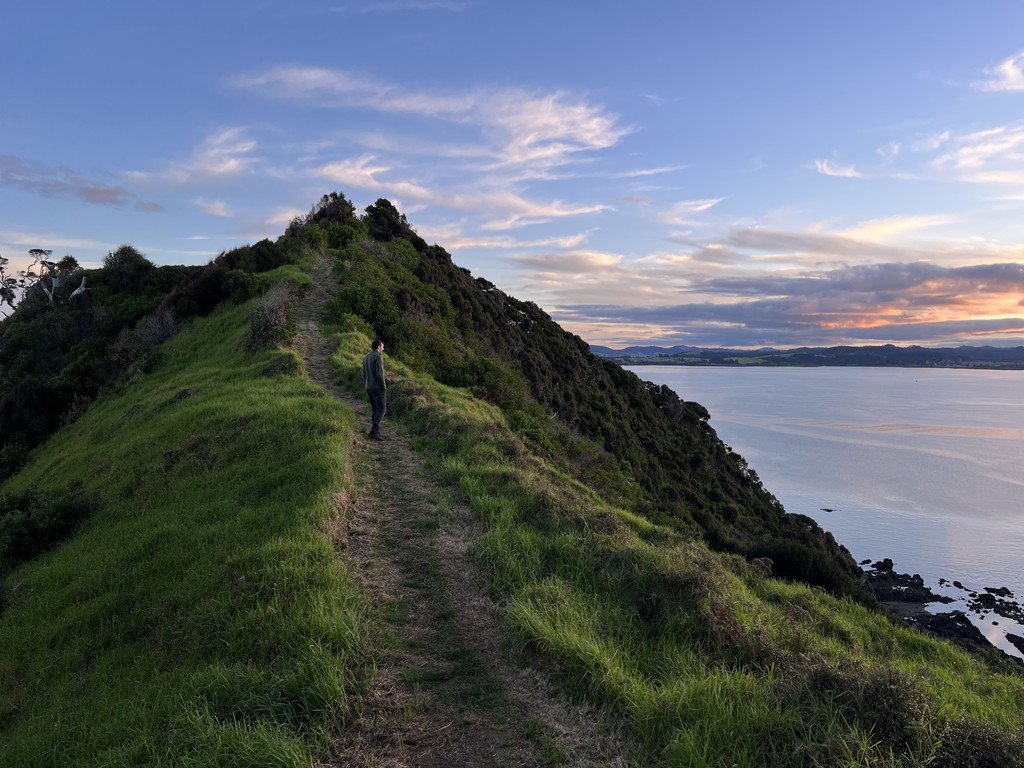
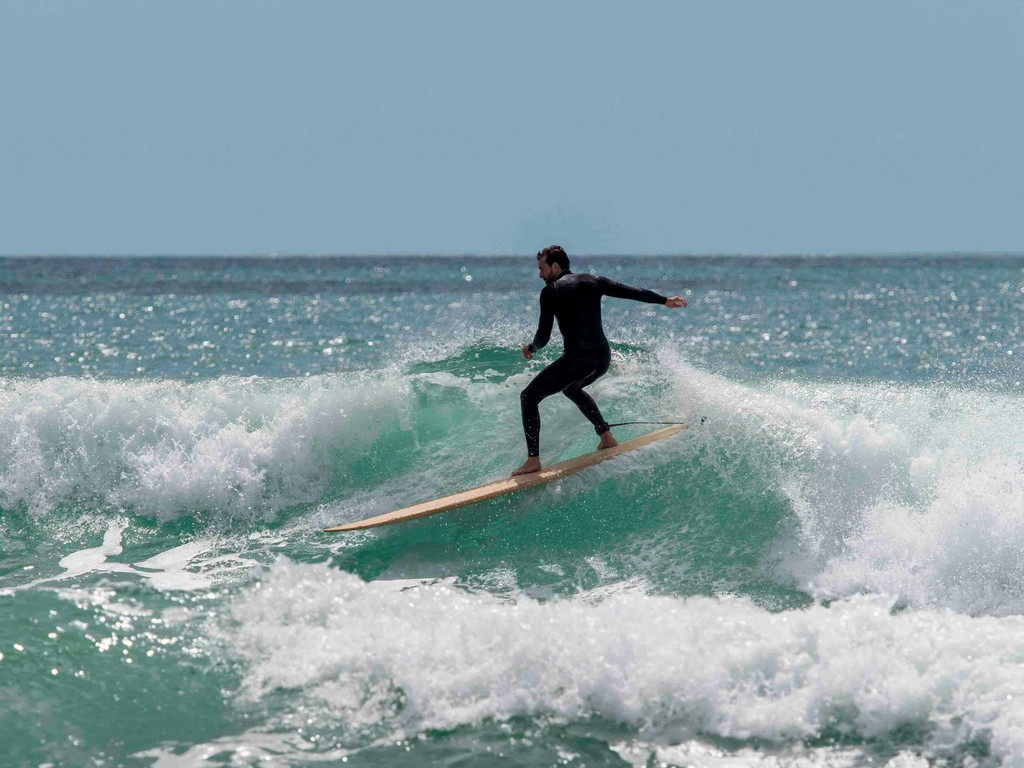
We were very fortunate that our amazing practice manager (Dan) organised our rota so we could work the same days and was very flexible with leave requests. This allowed us time to explore the North Island extensively when we first moved out, equally being the ‘Winterless North’ and coming from Scotland, we were able to comfortably continue our adventures late into winter. Highlights besides some new hobbies of fishing, golf, flying lessons and surfing, were our day hikes out to ‘huts’ aka ‘bothies’.
We recently completed an overnight hike on the Cape Brett Track. It’s a 16km track through native bush in Northland, through rough and steep terrain with amazing coastal and cliff views along the way. Bringing all of our gear was hard work, but worth the effort when we made it to the ‘hut’ which was an old lighthouse keepers house. From there you can fish, kayak and swim at the remote headland and folk often get the water taxi back to the nearest pier, however, with the wind and waves picking up that evening there was no way back apart from the track back to the start in the morning. The reward: we were treated to an amazing sunrise on our return and a hearty soup and a sandwich when we got back to Russell later that afternoon.
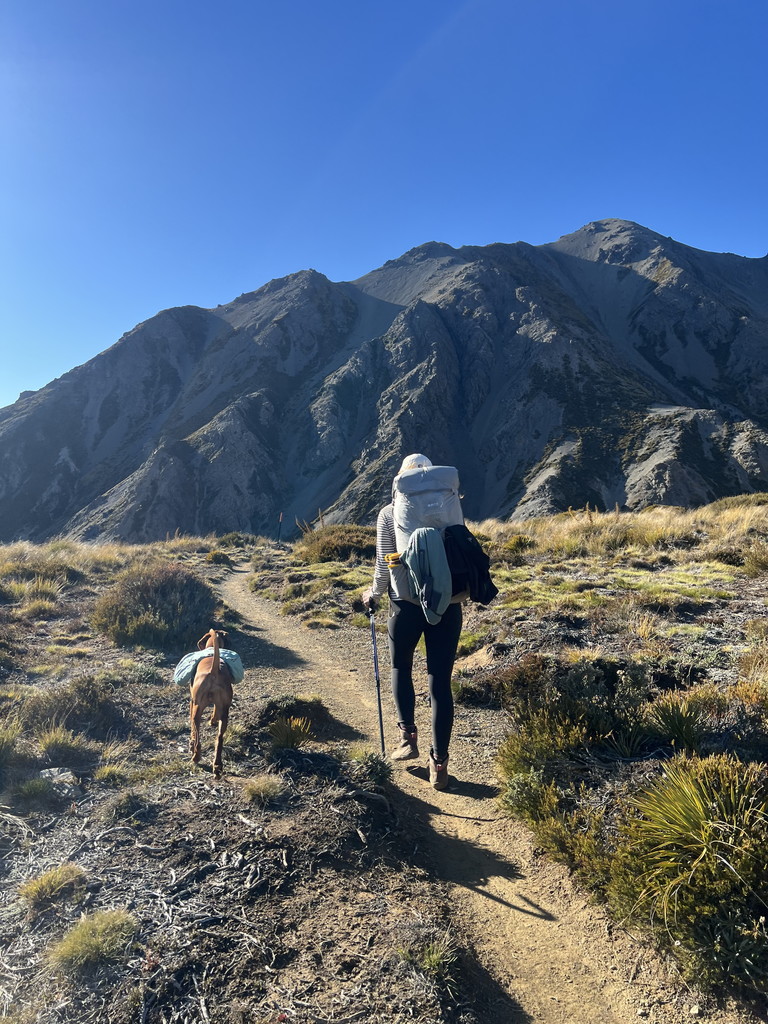
We also recently completed an overnight hike in Fowlers Pass staying at Stanley Vale Hut. We chose this primarily as we were able to bring our dog along with us too! This was another 16km track in Northern Canterbury in the South Island, the terrain/fauna/climate is completely different. Impassable in the winter due to risk of avalanche, we waited until Spring to complete this which made the multiple river crossings particularly chilly! However, despite wet feet we had glorious sun all the way and our dog Indie had such a blast. We camped outside the hut with Indie and her own sleeping bag (of course) and slept under the stars. We will definitely do this route again as it links up with other trails in the area for an extended multi-day hike and stay at the other huts in the area along the way.

Onwards to Primary Care
After two years in Whangārei, we decided to explore new opportunities for our GP training, and so, we’ve relocated to Ōtautahi (Christchurch). Working in Urgent Care has been a great foundation for moving into primary care. The variety of conditions seen—everything from infants to the elderly, and everything from orthopaedics to obstetrics, gynaecology, and ENT—has greatly expanded our skills. The day-to-day challenges are similar to what we encountered in the UK, though one key difference in New Zealand is the partial patient funding for healthcare, which can complicate decision-making when patients are unable to afford certain treatments or tests. Despite this, the skills and knowledge required are transferable between both countries.
UK vs NZ
We were eager to pursue GP training in New Zealand rather than the UK. Both countries offer three-year training programs, and UK graduates are welcomed into New Zealand’s programme. One of the key advantages of training in New Zealand is that no entry exams (such as the MSRA) are required after completing foundation training. The program is community-based, with no mandatory hospital rotations. The first year typically involves two six-month rotations, while the final two years are spent working within a practice arranged by the trainee.
Applications
The application process is straightforward: contact the Royal New Zealand College of General Practitioners, submit your application along with your CV and references, and if your qualifications align with the program’s requirements, you may be invited for an interview or directly offered a position.
Trainees can choose to be College-employed or Practice-employed for their first year. College employment is the standard route, offering a salary and covering costs for exams, registration, and access to the annual conference. Practice employment requires negotiations with a GP practice, which can be more difficult outside of New Zealand, but it offers the benefit of choosing the specific practice for training. In terms of teaching, New Zealand’s GP programme includes weekly in-person teaching days and 1.5 hours of in-house teaching each week with a GP supervisor.
Options to Explore
If you’re thinking about making the move to Aotearoa, Urgent Care could be a great option to explore!
Tamaki Health, one of the largest primary care providers in New Zealand, runs numerous clinics across both the North and South Islands. They list job openings on their website but you can also contact Carlos Jimenez directly with your CV, experience, and preferred location. While experience in both Emergency Departments and General Practice is usually expected, there’s flexibility depending on your previous experience and roles.
Throughout our journey, we’ve felt incredibly supported. Tamaki Health has been a fantastic employer, genuinely valuing its staff and their well-being. Living and working in such an incredible country has been a privilege, and if you have any questions or would like to know more, we’d be happy to help.