Dr Grace Peaston / Clinical Teaching Fellow / Birmingham
Grace is a clinical teaching fellow working in Birmingham with an interest in humanitarian medicine. They spent three months volunteering as the field co-ordinator for First Aid Support Team (FAST), a non-governmental organisation providing first aid to displaced people in Calais and Dunkirk. Grace shares their experience in the role for those interested in gaining humanitarian medicine experience early in their careers.
The context
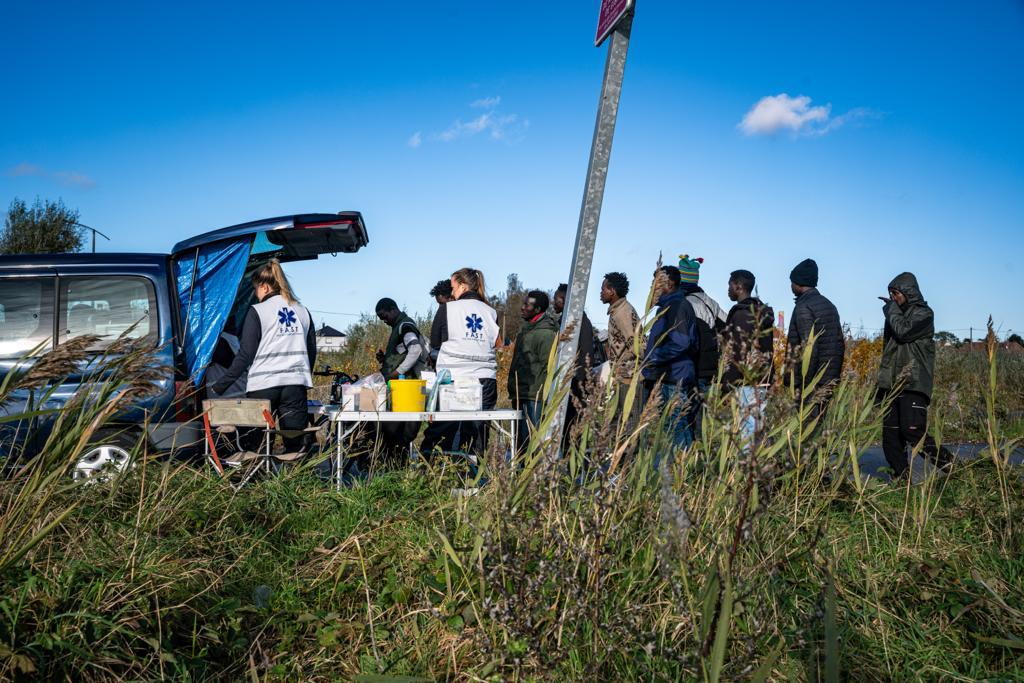
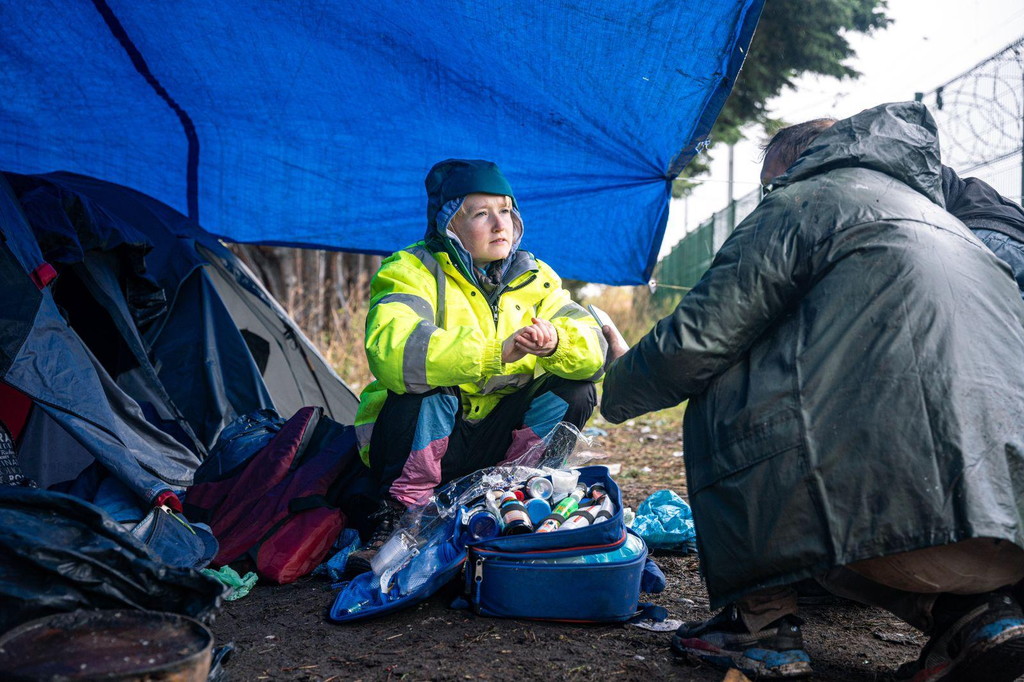
Migration of those seeking asylum in Europe from regions affected by war, famine, or economic difficulties presents a complex array of challenges, one of which is providing adequate humanitarian assistance. In 2024, approximately 37,000 people entered the UK by undertaking perilous journeys across the English Channel on small boats. This accounts for approximately half of the 84,000 asylum applications in 2024 and represents only five percent of net migration to the UK in the year ending June 2024. The UK-France border only sees 5% of the total displaced people entering Europe. They arrive looking to seek asylum, a right enshrined by international law, with most of those aiming to come to the UK due to familial or language connections. A disparate group of people at various stages of asylum, whether to the UK or France, wait at the border, living in tents and relying mostly on non-government organisations (NGOs) for food, water, shelter, and healthcare.
The number of people in Calais attempting to cross at any one time is difficult to estimate; however, for the three months I was field co-ordinator for FAST, we saw on average nearly 200 individuals per day. The numbers are seasonal: lower during winter and peaking in the summer months when conditions are more favourable for crossing the Channel. The majority of the people waiting to cross at the border in Calais are Sudanese, fleeing a devastating humanitarian crisis, with a third of the population displaced. There are also significant numbers of people from Syria, Afghanistan, Iraq, Türkiye, Kurdistan, Eritrea, Ethiopia, Somalia, and Libya. While the majority of displaced people are young men and boys, there are also many women, girls, and young children.
The set-up
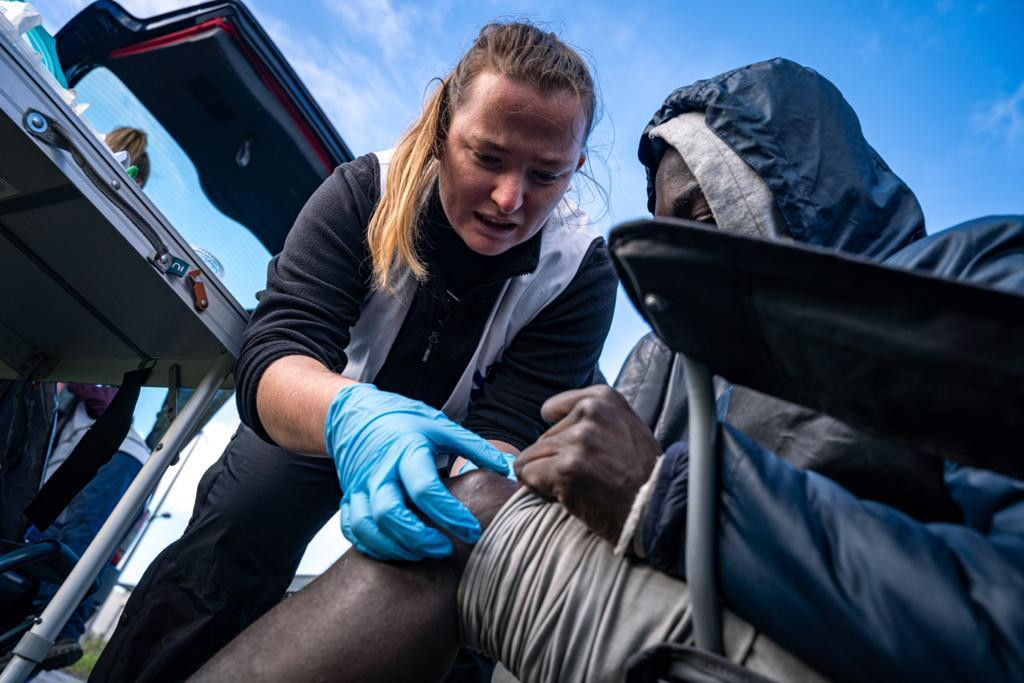
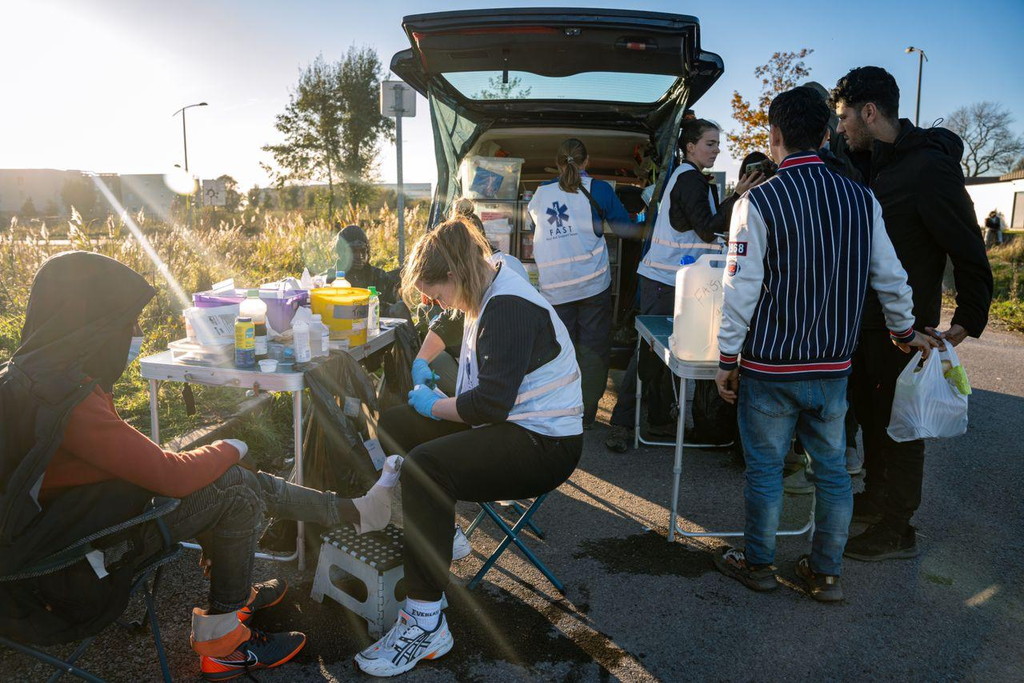
The needs of the displaced population are vast and often mismatched by the services provided. FAST, for example, is operated out of a single shipping container, which provides space for running clinics, storing stock and equipment, as well as an office for the team. The day-to-day involves mornings at the container preparing for the clinic, completing stock checks, cleaning equipment, printing advice leaflets and referral letters in varying languages, in addition to loading the vehicle for outreach services. Other days, sourcing stock is required, often involving some confused locals as you order hundreds of toothbrushes. The afternoons involved running a mobile clinic out of the back of the car, either directly at the camps or at distribution points/day centres with other NGOs. As co-ordinator, my week also involved board meetings, coordinating with other NGOs operating in Calais, and teaching first aid to other volunteers and humanitarian workers. FAST operates six days per week, with Friday always kept clear for a much-needed decompression time.
The needs
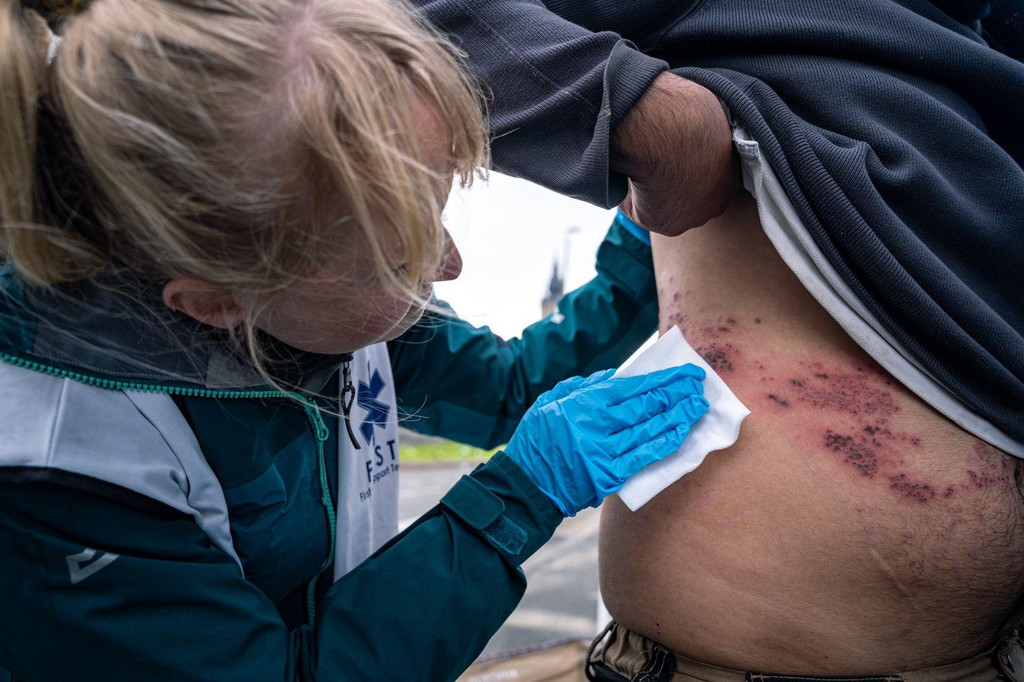
Many individuals came simply for requests of hygiene items, such as tissue, toothbrushes, and soap. Consultations for conditions created or worsened by living in crowded, damp conditions and walking long distances were incredibly common; mostly, we saw respiratory, musculoskeletal, and dermatological conditions. Wound and foot care were also a key part of our practice. In between the fungal skin infections, common colds, and scabies, some patients presented with more serious (and for a UK clinician more unusual) conditions such as cutaneous diphtheria and non-freezing cold injury i.e. trench foot.
It was fairly rare to have chronic disease consultations, likely due to the arduous journey required to get to France, and the fact that people do not focus on their health conditions while they are actively attempting to cross a border. However, requests for long-term medications were reasonably common, as were pregnant women seeking antenatal care, most of whom had received none despite their advanced pregnancies.
To meet these needs, we came well-stocked with simple hygiene items, creams and dressings for wound and foot care, cold remedies, joint supports, and toys for the children. We worked in concert with the other NGOs and, to a limited extent, the French healthcare system. Conditions FAST we were unable to deal with were sent to La Pass (Permanence d’accèss aux soins de santé); a clinic run by the French healthcare system that does not require documents or money to access. While I was in Calais, they were open weekdays; otherwise, patients would have to attend the emergency department for more urgent medical issues. La Pass also had dentist appointments around two days per week, although there were only ten appointments per clinic, which is woefully inadequate when compared with the need for dental services. MSF and the Red Cross also conducted one mobile clinic each week in Calais, although the majority of their work was in neighbouring Dunkirk. The impressive MSF psychology team worked with the displaced population alongside the Refugee Women’s Centre for women and children, and ECPAT for unaccompanied minors. The network of NGOs working in Calais did their utmost our best to provide holistic, joined-up care, in a challenging, often difficult environment. This was underpinned by the incredible work of the Channel Information Project, providing up-to-date guides for both displaced people and aid workers in Calais, and ‘Utopia 56’ providing transport to medical facilities and immediate aid after failed crossing attempts.
Challenges
With such a diverse group of patients, translation was a key difficulty. The majority were Arabic speakers, but there were also many Tigrinya, Amharic, Somali, Kurdish, Farsi, Dari, and Pashto speakers. We unfortunately did not have professional translators, so we relied on the language skills of the team and improvising with translation apps. Often, a displaced person with language skills would assist with translation, which was an immense help! The constraints and ethical challenges of these forms of communication are obvious, but the alternative is further restricting access to already limited healthcare.
Regrettably, very few displaced people in Calais had heard of La Pass or knew how to access it, and many were unwilling to go even when it was an option, often due to fear of French authorities or difficulty with transport and timing around traveling for food, water, administrative appointments, and attempting to cross.
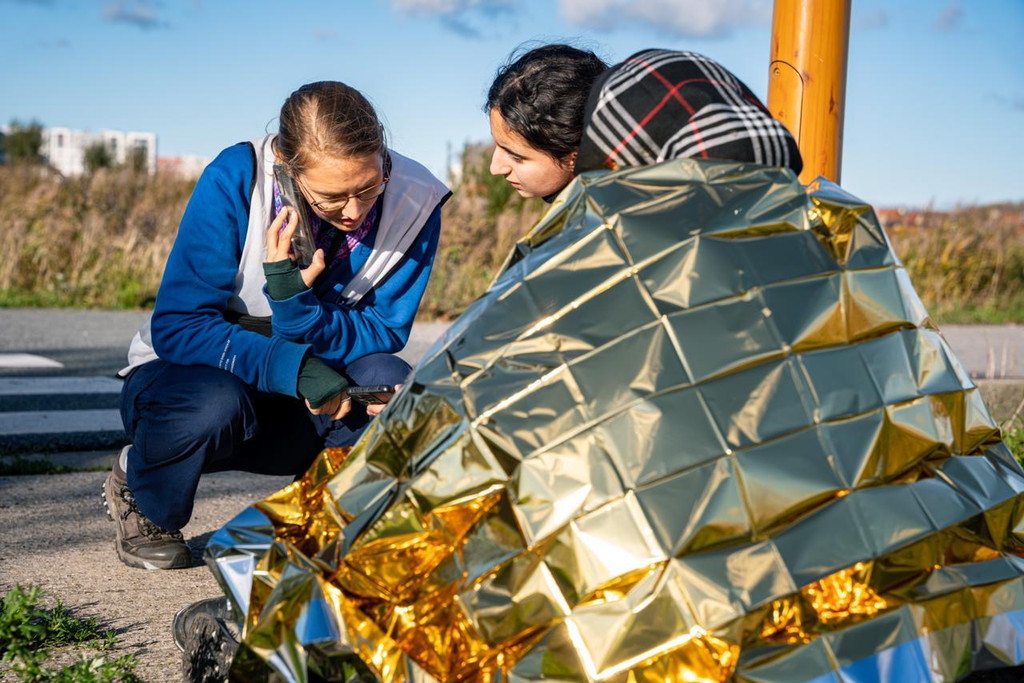
Provision of humanitarian healthcare doesn’t occur in a vacuum; addressing the health needs of a displaced population is also impacted by the geopolitical environment. The Compagnies Républicaines de Sécurité (CRS) or Police Nationale regularly evicts camps, removing tents and belongings of displaced people. This disruption to a vulnerable population has consequences. On one occasion, I met a very distressed man who told us he had his tent and belongings taken by the CRS, which sadly included his insulin for his diabetes as well as and his reading glasses. On another occasion, we encountered a 15-year-old unaccompanied boy with a severely infected wound on his leg. He had no access to transport, did not speak French, and had no method of communication. We attempted to transport him to hospital, but on passing one of the camps with a heavy police presence, the car was stopped, the injured boy forced to get out, and my colleague was questioned for around an hour before being allowed to leave. The lack of reliable, safe options to get medical aid for an unwell child was astounding and left the team shaken.
A further challenge was the resource limitations of all the NGOs in Calais, borne from the crisis on the border, the lack of safe passage to claim asylum, and the reduction in donations across Europe. The impact of this situation on displaced populations is profound – I remember when I encountered a crying boy of around eight and his mother. I asked if they had any medical needs, and his mother told me that he was scared of going back to the sea and the boats. I offered a referral to the MSF psychology team, which they refused, and I then had nothing else to offer them. I gave him a toy and left, leaving him to go on a journey that has killed many children his age. I have never felt more impotent.
My experience
Despite the long hours and tears shed, I would undoubtedly say that co-ordinating for FAST Calais is the best job I’ve ever had, which is saying a lot as it was unpaid! Initially, the complexities and ever-changing demands of coordinating were overwhelming, and it was intimidating to often be the most senior clinician in the field this early in my medical career. However, through the support of previous co-ordinators and the wider FAST organisation, I can say the experience was overwhelmingly positive. Day-to-day interactions with patients were incredibly fulfilling and usually filled with respect and generosity; if I encountered people cooking or eating outside their tents in the camps, I was almost always offered food.
One day, in torrential rains in a car park (our usual distribution point), volunteers and displaced people alike all joined in dancing. After a valiant attempt at teaching us a dabke (a traditional Levantine dance), the British volunteers expertly demonstrated our lack of rhythm performing the ‘Macarena’ (a British dancefloor classic). The whole afternoon overall is one of my favourite memories of my time as co-ordinator, and most clinics contained overwhelming feelings of community, joy, and generosity, even in the background of desperation and injustice.
How to get involved
FAST will always be in need of donations and volunteers! The co-ordinator position must be a nurse, doctor, or paramedic, but medical and nursing students in clinical years and other professions (such as podiatrists) can be a vital addition to the team as volunteers. One week is the minimum volunteering time if you’ve never volunteered with FAST before, and then there’s no minimum time for returning volunteers. The co-ordinator position is usually for 3 months. You can apply to volunteer and donate directly through the website.
You can also volunteer as a medical professional with a similar organisation operating in Dunkirk called No Border Medics, and with the Boat Refugee Foundation operating in the Greek Islands. Medical Volunteers International is another similar organisation operating in multiple European countries, both on borders and with more settled populations in camps.
There are also loads of opportunities to volunteer with non-medical organisations, such as Care4Calais, Refugee Community Kitchen, and Calais Food Collective.